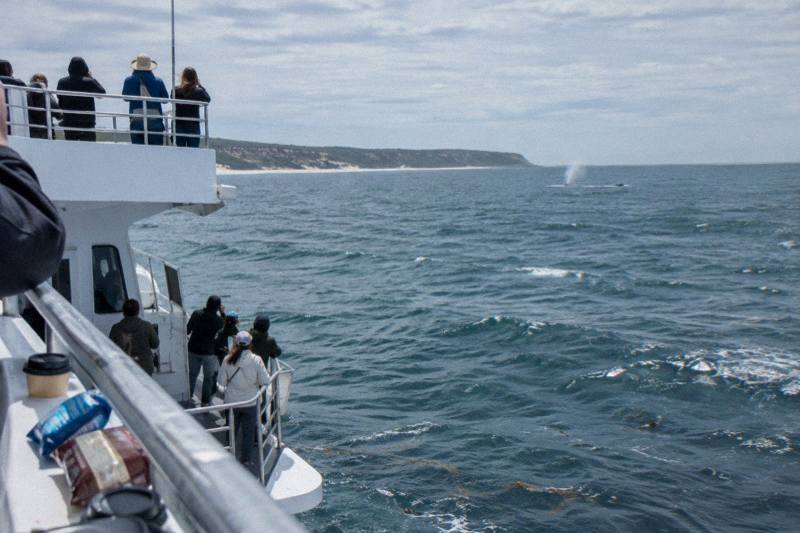
Whale Season On The Bay And Your Evening Boat
Humpbacks are in Hervey Bay from June to November, peaking July to October. The whale watching happens on the daytime cruises, while the evening boats run their own twilight trips. Here is how the two fit together across the season.
Short answer
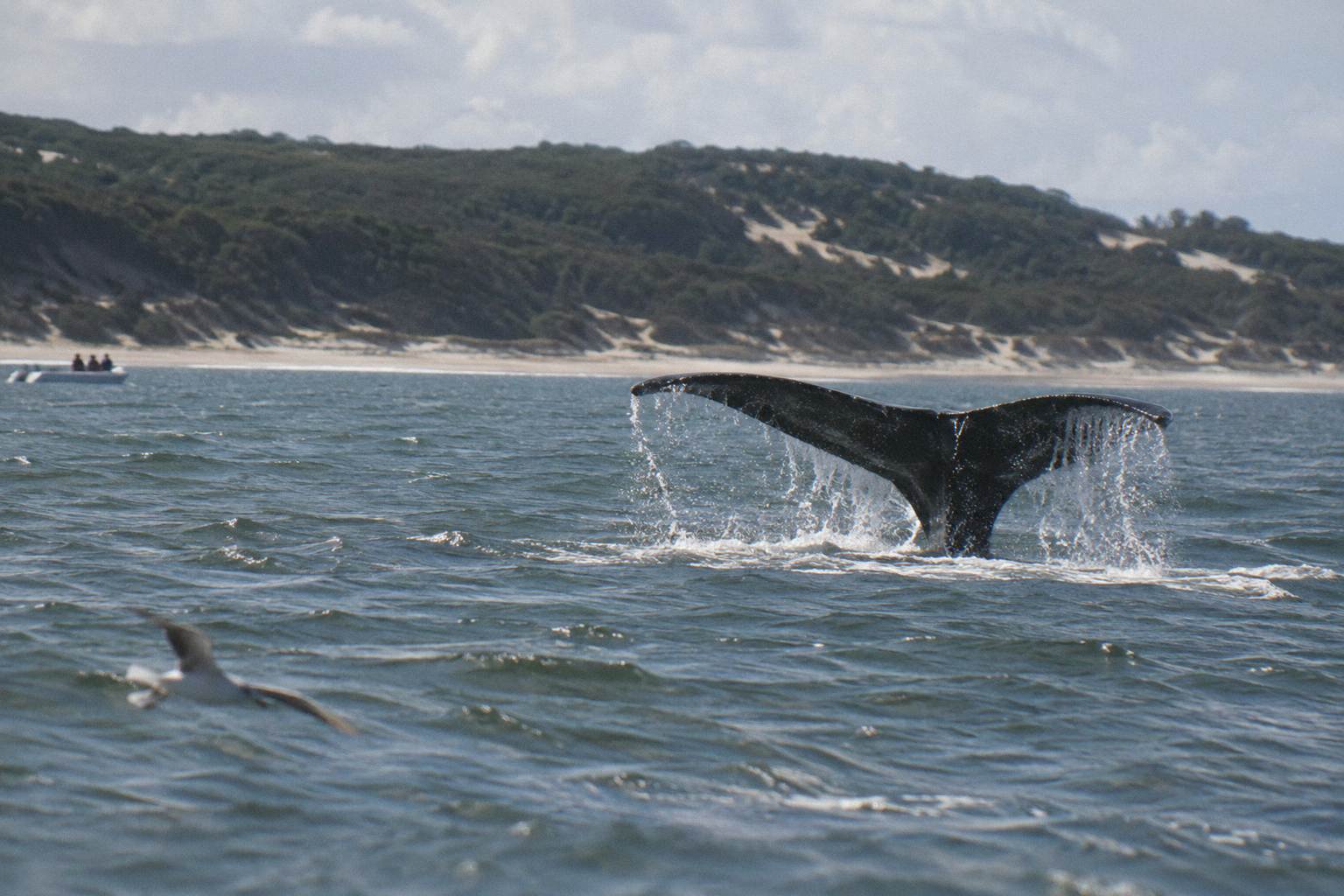
Whale season in Hervey Bay runs June to November, peaking July to October. Whale watching is done on the daytime half-day cruises of about 4 hours each, from A$120 to A$160 per person. The evening cruises are not whale watches; whale season simply overlaps them, and nothing is promised on the water at dusk.
Humpback whales are in Hervey Bay from June to November, peaking July to October, and Tourism and Events Queensland counts more than 8,000 whales using these waters each year. Whale watching is done on the daytime half-day cruises; the evening boats are a separate kind of trip. Whale season overlaps the sunset cruises from June to November, but the sunset cruises are not whale watches and nothing is promised.
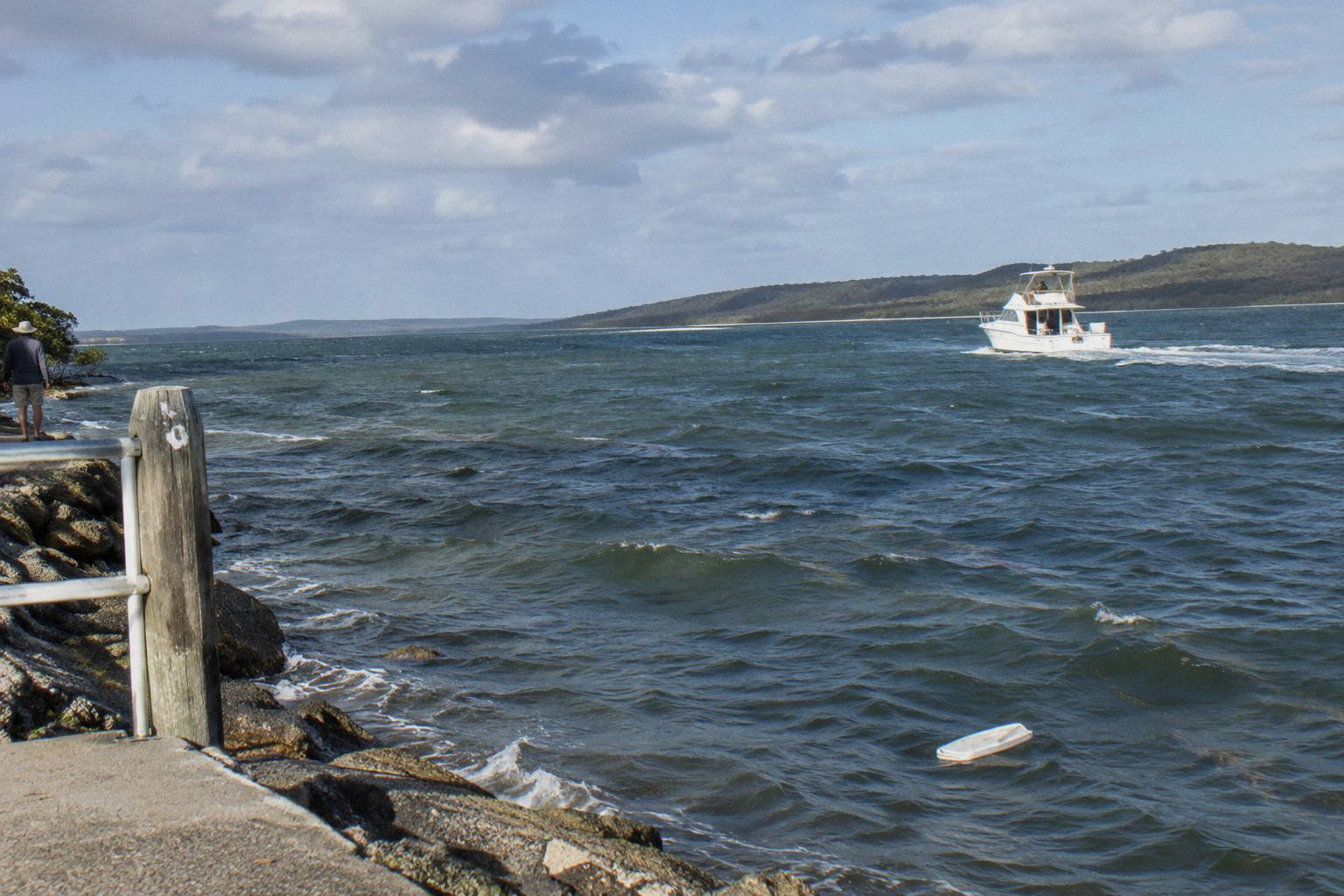
That single distinction answers most of the questions a season planner has. A June visitor who wants whales books a daytime cruise and then, if the evening is free, adds a twilight trip for the light and the water. A November visitor does the same thing in reverse, with later sunsets pushing departures back toward 5:00pm and beyond. The bay serves both markets off the same stretch of Urangan waterfront, and the operators are candid about which boat does which job.
For readers deciding between a whale-season day trip and a whale-season evening departure, the comparison comes down to what each cruise is built for. The daytime boats chase the humpback activity concentrated off the western coast of K'gari, inside the Great Sandy Marine Park. The evening boats stay closer to the islands and the pier, serving drinks, food and the view. Our Hervey Bay Sunset Cruises coverage splits cleanly along that line, and so does the season.
When Is Whale Season In Hervey Bay?
Humpback whales are in Hervey Bay from June to November, with the peak from July to October, according to Tourism and Events Queensland.Early in the season more adult whales rest and socialise in the bay, while in September and October more mothers and calves appear. The bay is one of the world's first designated Whale Heritage Areas.
The season's shape matters more than its endpoints. June arrivals are largely adults travelling north or resting in the sheltered water between the mainland and K'gari. The middle months, July to October, are when the bay fills with whales that stop rather than pass: Tourism and Events Queensland describes Hervey Bay as a place humpbacks pause on their southern migration, which is why the watching here is concentrated rather than incidental. By late October and November the numbers thin as the animals push toward feeding grounds further south.
| Months | What is in the bay | Season character |
|---|---|---|
| June | Early arrivals, mostly adults | Season opens, quieter water |
| July to August | Adults resting and socialising | Peak builds, strong adult activity |
| September to October | Mothers with calves | Peak, the bay's signature months |
| November | Late-season whales heading south | Season winds down, later sunsets |
The Whale Heritage Area designation is worth a pause. Hervey Bay is one of the world's first designated Whale Heritage Areas, a recognition of how the region manages whale watching and the whale watching economy. It is a status few places hold, and it sits behind the approach rules and permit systems that every cruise in the bay operates under. The Great Sandy Marine Park, which extends from Baffle Creek in the north to Double Island Point in the south, adopted a new zoning plan that commenced 21 May 2024, and its wildlife includes whales, turtles, dugong and grey nurse sharks.
For readers mapping the whole year, the deeper month-by-month breakdown of evening conditions sits in our guide to the best month for an evening boat trip, which covers the climate side of the same calendar.
Which Cruises Actually Watch Whales?
Whale watching in Hervey Bay is done on the daytime half-day cruises, each about 4 hours long. They are the Boat Club Half-Day Whale Watching Cruise from A$120 per person, the Tasman Venture 4-Hour Whale Watch from A$155, and the Whalesong Half-Day Whale Watch With Meal from A$160. All amounts are Australian dollars, and the booking page shows the price for your date.
The three daytime products differ mainly in boarding point and what comes with the fare. The Boat Club cruise departs from the Hervey Bay Boat Club on Buccaneer Drive, Urangan, on the Amaroo, a large stable powered vessel with three viewing decks, a covered top deck with 360 degree views, toilets and a bar on board, with parking included. Tasman Venture runs a catamaran with pickup and drop-off at select Hervey Bay accommodation, sailing twice daily, and includes morning or afternoon tea with an antipasti platter. Whalesong boards at Great Sandy Straits Marina, also on a catamaran, and includes morning or afternoon tea plus lunch or dinner depending on the option chosen.
| Cruise | Duration | From price | Boards at | Included extras |
|---|---|---|---|---|
| Boat Club Half-Day Whale Watching Cruise | 4 hours | A$120 per person | Hervey Bay Boat Club, Urangan | Morning or afternoon tea and biscuits, parking |
| Tasman Venture 4-Hour Whale Watch | 4 hours | A$155 per person | Select Hervey Bay accommodation pickup | Morning or afternoon tea with an antipasti platter |
| Whalesong Half-Day Whale Watch With Meal | 4 hours | A$160 per person | Great Sandy Straits Marina, Urangan | Morning or afternoon tea plus lunch or dinner by option |
Guest scores for the three are close: the Boat Club cruise holds 4.8 from 412 reviews, Tasman Venture 4.9 from 699 reviews, and Whalesong 4.8 from 232 reviews. Each rating belongs to its own trip, and none of them is a promise about any particular day on the water. Every whale-watch cruise works under the same Queensland approach rules, and sightings depend on where the whales are that morning or afternoon.
If the whale day is the anchor of your trip, the full field guide to choosing between them, including what each boat offers families, is in our whale cruise comparison. The short version: the Boat Club cruise is the price entry point and includes parking, Tasman Venture bundles hotel pickup, and Whalesong bundles a full meal.
For the daytime question everyone asks, there is no verified best hour: the operators offer both morning and afternoon options, and the booking calendar shows the departures for your date. Whales rest and socialise in the bay all day during peak season, and the operators schedule around light and sea conditions rather than a known feeding window.
Can You See Whales On An Evening Cruise?
The evening cruises are not whale watches. Whale season overlaps the sunset cruises from June to November, but nothing is promised on the water at dusk, and no evening product here offers whale watching. The twilight boats run for the light, the islands, the food and the drinks. Guests sometimes see dolphins or other wildlife, in the operator's hedged wording, with no species or frequency promised.
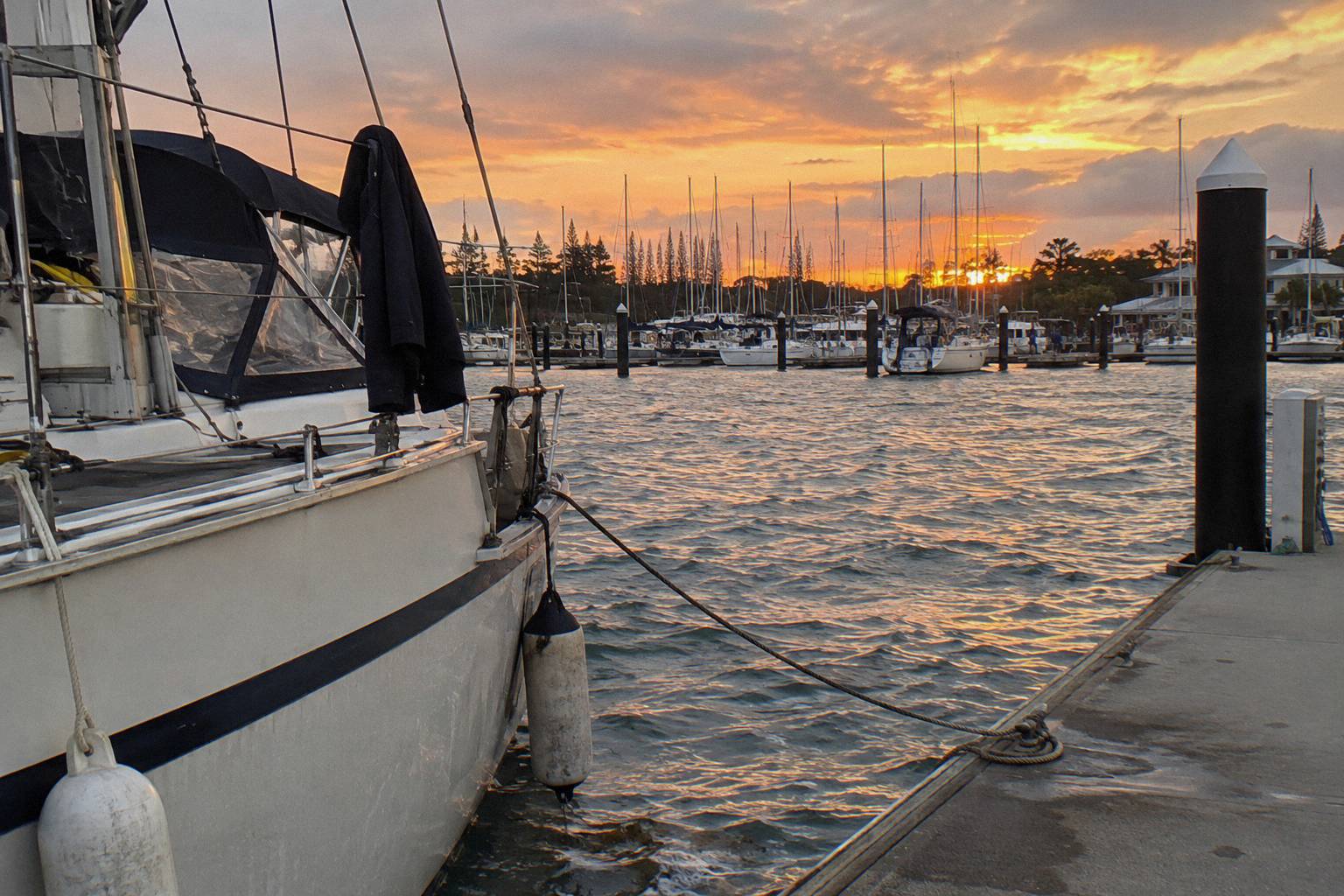
That said, whale season changes the character of an evening on the bay. The marina is busy with whale-watch fleet departures and returns, the Urangan Harbour precinct is full, and the same operators running daytime whale trips often run the twilight boats in the late afternoon. Boat Club Adventure Cruises runs both its half-day whale watch and the Twilight Bay Cruise on the Amaroo, so a whale day and a twilight sail can share the same vessel, the same boarding point at the Hervey Bay Boat Club, and effectively the same crew rotation.
The evening fleet in Urangan is made of three trips. The Blue Dolphin Champagne Sunset Sail is a sailing vessel with a maximum of 24 guests, boards at Great Sandy Straits Marina, runs 1.5 hours from A$100 per person, and includes finger food with sparkling wine plus a complimentary beer, wine or soft drink. The Milbi Sunset Cruise, a family-owned operation, boards at Fisherman's Wharf Marina on Jetty Rd, runs 1.5 hours from A$95, and includes fresh local king prawns, a grazing platter and a glass of champagne, beer or soft drink. The Boat Club Twilight Bay Cruise runs about 2 hours from A$55, includes one complimentary glass of bubbles on boarding, and departs between 3:30pm and 4:30pm depending on the time of year.
One guest review of the Milbi mentions glass-bottom viewing at the Round Island stop, which the operator makes subject to tides and conditions. The Milbi departs at 4:30pm in winter and 5:00pm in summer, per its operator's page. In peak whale season those winter times align with a June sunset of about 5:06pm, meaning the boat is on the water right as the light drops.
The whale question from the evening side is covered in full in whether whales appear on a twilight trip, and the dolphin side, with its hedged operator wording, in our dolphins and evening wildlife guide.
What Rules Do Boats Follow Around Whales?
Queensland rules set a caution zone at 300 metres from a whale, where vessels travel no faster than 6 knots, and a no-approach zone of 100 metres around a whale and 300 metres ahead and behind. There is a three-boat limit, no person may enter the water within 100 metres of a whale, drones are banned within 100 metres, and penalties apply.
| Rule | Whale | Dolphin |
|---|---|---|
| Caution zone | 300 m, no faster than 6 knots | 150 m, no faster than 6 knots |
| No-approach zone around | 100 m | 50 m |
| No-approach zone ahead and behind | 300 m | 150 m |
| Person in the water | Not within 100 m | Not within 50 m |
| Drones | Not within 100 m | Not within 100 m |
| Vessel limit | Three boats in the caution zone | Three boats in the caution zone |
The Queensland Government publishes these rules for watching marine mammals in full, and they bind private boats as much as commercial ones. For a visitor, two practical consequences follow. First, the permitted whale-watch cruises manage the approach; you are not paying for a skipper who cuts corners, because the penalties are real and the permits are worth more than one close pass. Second, if you rent a tinny or a kayak during your stay, the same distances apply to you, and the 100 metre no-approach zone arrives faster than most paddlers expect.
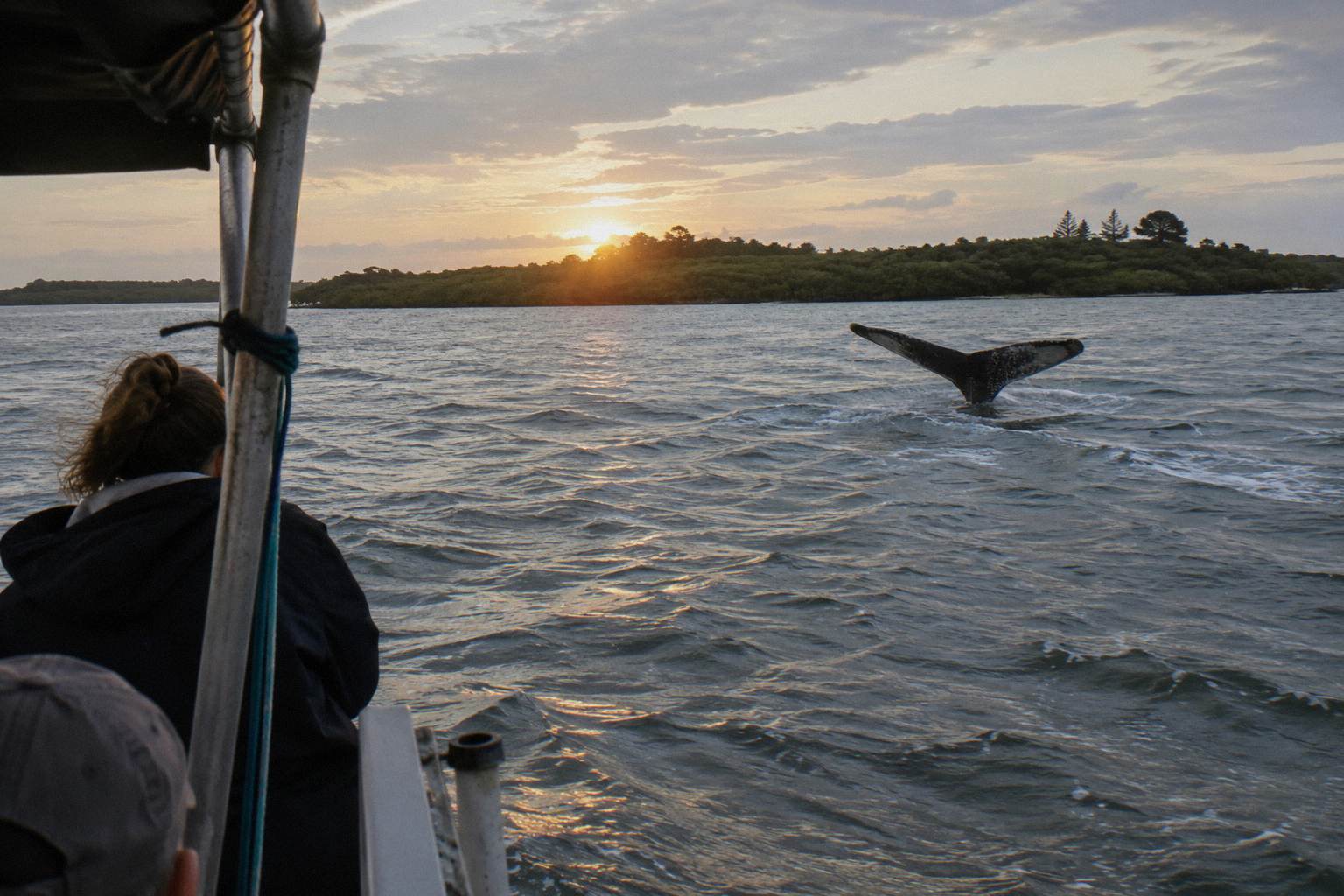
Tourism and Events Queensland's Hervey Bay whale watching page confirms the season wording, the June to November window and the July to October peak, and notes that whale tours depart from the marina at Urangan with activity concentrated off the western coast of K'gari. That concentration is why the whale cruises run a full 4 hours: the watching grounds are a distance out into the strait, and the transit is part of the product. The evening boats, by contrast, work the nearer water around Woody Island, Round Island, Pelican Bank and the Urangan Pier, in the Boat Club's hedged route wording.
How Do Sunset Times Shift Across The Season?
Sunset in Urangan moves from about 5:06pm in mid June to about 6:13pm in mid November, a swing of more than an hour across the whale season. These are approximate calculations for the 15th of each month in Australian Eastern Standard Time, not boat times. Departure times for the twilight cruises are fixed ranges set by each operator and shown on the booking calendar for your date.
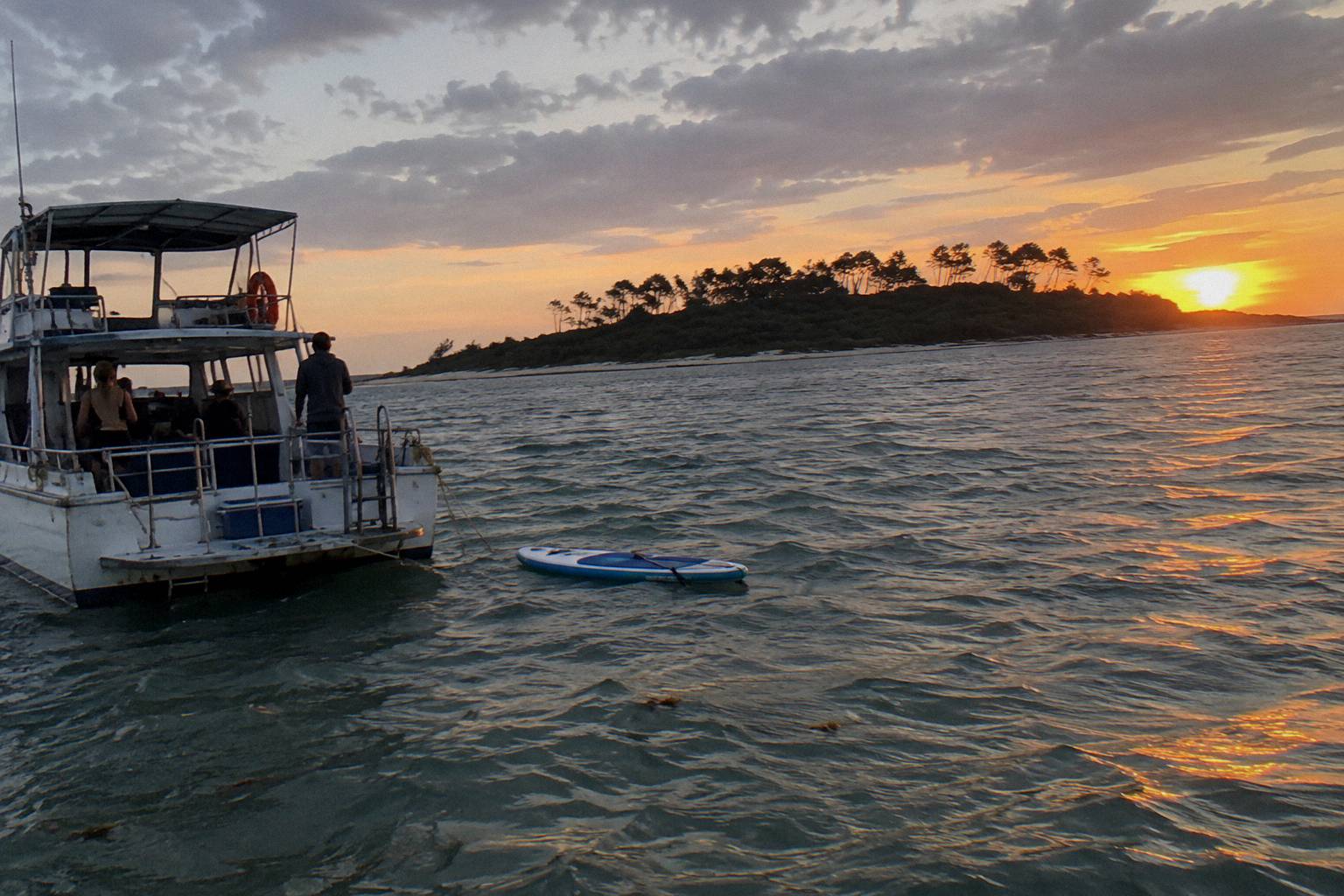
The shift matters for anyone pairing a whale cruise with an evening trip. A September whale watch returning in the late afternoon leaves comfortable room for a twilight departure before a 5:41pm sunset. A November pairing is more generous still, with sunset about 6:13pm and the Milbi's summer departure at 5:00pm putting guests on the water for a full hour and a quarter of fading light. In June and July the window is tight, and most visitors treat the two trips as separate days rather than a double.
| Month (15th) | Approximate sunset | Daylight length | Evening context |
|---|---|---|---|
| June | About 5:06pm | 10.6 h | Earliest sunsets of the season |
| July | About 5:15pm | 10.7 h | Peak whale month, cool evenings |
| August | About 5:29pm | 11.2 h | Light lasting noticeably longer |
| September | About 5:41pm | 11.9 h | Mothers and calves, milder air |
| October | About 5:53pm | 12.6 h | Late peak, warm evenings |
| November | About 6:13pm | 13.3 h | Season tail, longest twilight window |
Evening temperatures across the season range widely. Bureau of Meteorology averages from Hervey Bay Airport put the July mean minimum at 10.1 degrees and the February mean maximum at 30.2, with mean 3pm winds easing from about 22 km/h in January to about 15.6 km/h in June. The Boat Club's own packing advice for its twilight cruise is sunglasses, a hat, a warm jumper, a camera and binoculars, plus cash for the on-board canteen. Our fuller what to wear on a dusk boat trip guide builds on the same climate data month by month.
The full timing logic, including check-in windows like the Milbi's 15 minutes before departure and the Boat Club's 15-minute boarding, is laid out in boarding times and sunset planning. The rule of thumb in whale season: book the whale watch for the morning or afternoon the calendar offers, and let the sunset time decide whether the evening boat is same-day or next-day.
Which Boat Suits A Whale-Season Trip?
A whale-season visitor with both interests books one daytime whale cruise and one evening cruise. The Boat Club Half-Day Whale Watching Cruise, from A$120, carries a 4.8 rating from 412 reviews and includes parking. The Blue Dolphin Champagne Sunset Sail, from A$100, 4.9 from 168 reviews, caps numbers at 24 guests. The Milbi, from A$95, 4.8 from 48 reviews, includes king prawns and a grazing platter.
Pairing logic comes down to energy and budget rather than anything else. A morning whale watch followed by an evening sail makes for a long, salty, satisfying day, and the Urangan Harbour precinct sits between the boarding points, so lunch between trips is easy. Families with children under 14 get one free child per paying adult on the Boat Club twilight cruise, conditional on a full-fare adult, which makes the A$55 twilight fare the value play for a whale-season family trip; the same operator's whale watch runs on the same Amaroo, so kids board a boat they may already know.
Couples and small groups after a quieter evening tend toward the Blue Dolphin sailing vessel, where the 24-guest ceiling and the 1.5 hour duration keep the trip compact, or the Milbi, where the prawns and grazing platter make the food the feature. All three evening trips carry free cancellation up to 24 hours before the start for a full refund, which matters in whale season, when plans shuffle around weather and fatigue. Ask the operator how weather calls are made.
One grouping note for whale season: the Boat Club twilight cruise requires persons under 18 to be accompanied by a legal guardian over 18, and unaccompanied minors are not allowed. The Milbi is pram and baby friendly, with children 4 to 12 on the operator's fare structure, and no baby-changing facilities on board. No age rule is given for the Blue Dolphin sail: ask the operator. Our kids on an evening cruise guide works through the same rules family by family.
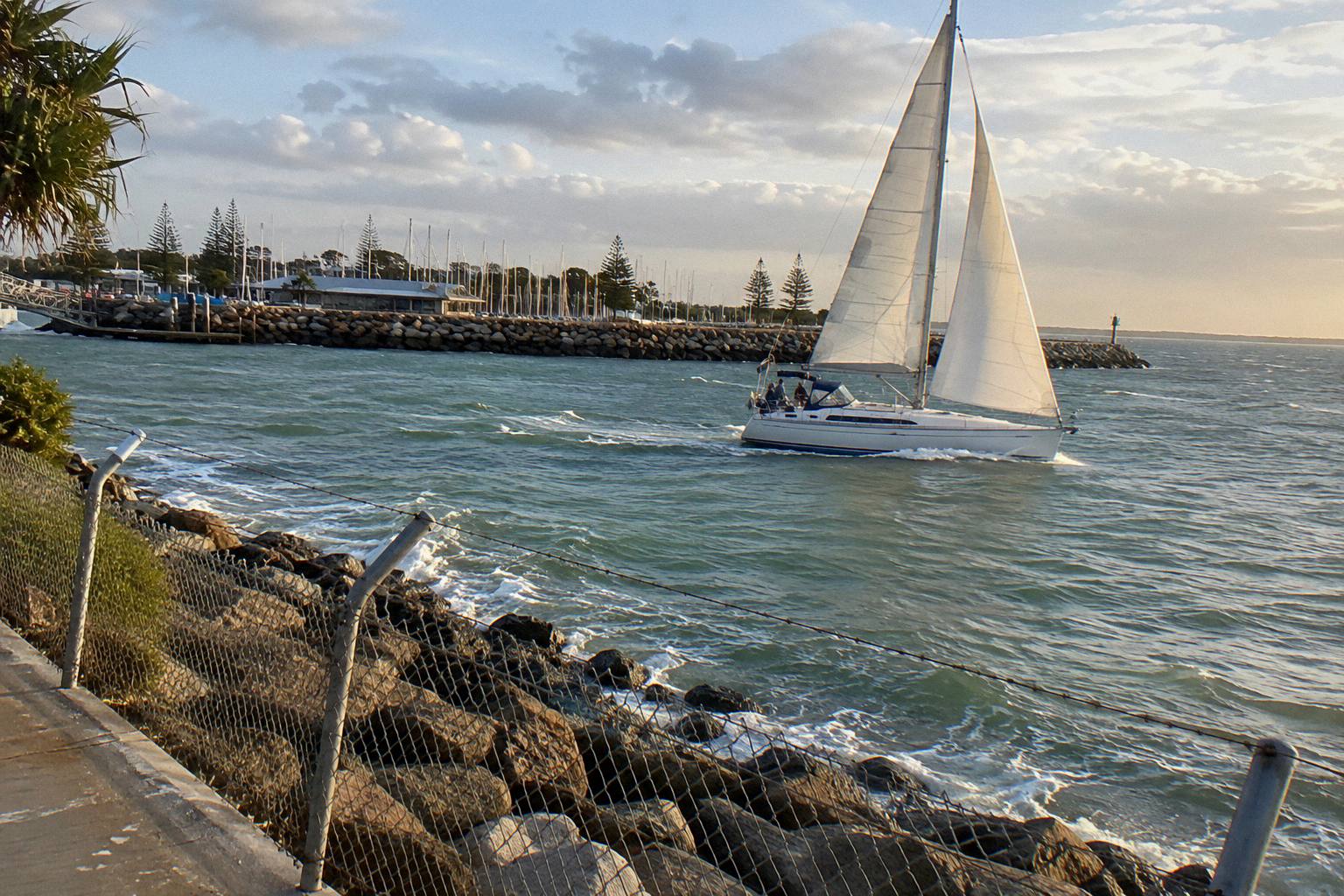
Common Mistakes When Planning Around Whale Season
The most common whale-season mistakes are booking an evening cruise expecting whales, assuming a same-day whale watch and twilight sail always fit, trusting any sighting guarantee, ignoring the 24-hour cancellation window, and skipping the daytime whale trip because the bay looks full of boats. Each mistake is avoidable with the season calendar and the booking calendar in front of you.
First, the guarantee trap. No cruise here promises a sighting, and any listing that promises one is repeating marketing language, not a fact about the water. Humpbacks rest and socialise in the bay in peak season, and the 4-hour cruises spend that time in the watching grounds, but whales are wild animals moving on their own schedule. The fair test of a whale cruise is its rating and review count, its boarding convenience and its inclusions, not a promise.
Second, the double-booking squeeze. In June and July, when sunset falls about 5:06pm to 5:15pm, a whale watch returning in the late afternoon leaves almost no gap before a twilight departure of 3:30pm to 4:30pm has already left the jetty. Split the two across separate days in early season, and pair them on one day only from September onward.
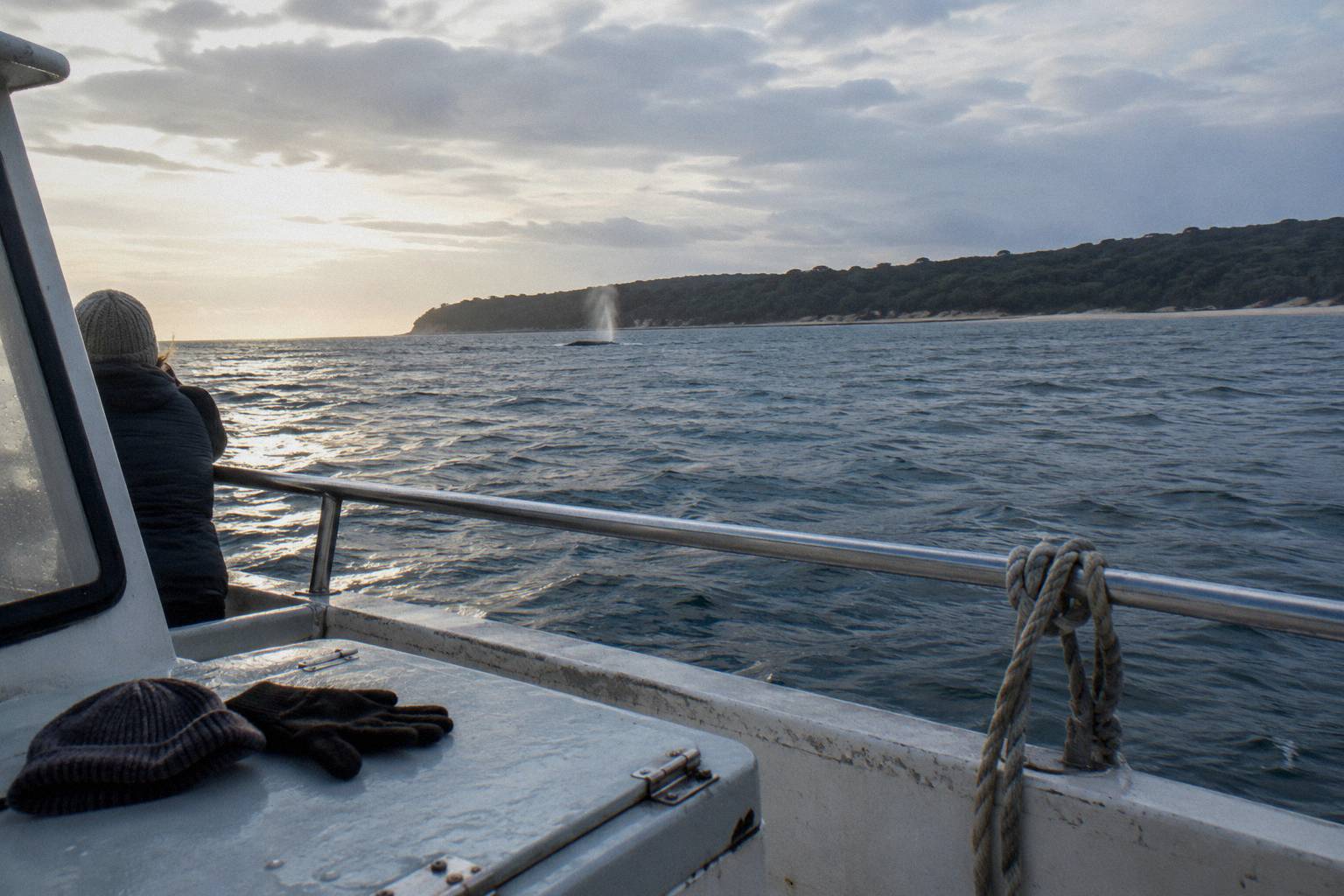
Third, the cancellation window. All six trips offer free cancellation up to 24 hours before the start for a full refund. Whale-season weather is changeable, and the Boat Club notes its route and destination may change without notice because of tides and weather, while the Milbi says tours vary with weather, group size and the guide's judgement. Book early, keep the window open, and ask the operator how weather calls are made.
Fourth, the minimum-numbers surprise. The Blue Dolphin sail needs at least 4 guests to run and takes up to 24; if the minimum is not met, the booking page offers a full refund or a move to another vessel. The Milbi takes bookings as essential, with group bookings by phone. Neither is a problem, but both reward booking ahead rather than rocking up to the jetty.
Fifth, underestimating the daytime trip. Some visitors watch whales breaching from the Urangan Pier, which is 868 metres long and reopened by 1 July 2025 after a 1.43 million dollar rehabilitation, and conclude the pier is enough. Shore watching is free and lovely, but the whales are concentrated off the western coast of K'gari, a stretch of water the pier does not reach. The 4-hour cruises exist because that is where the whales are. Our pier versus water comparison covers the evening side of the same choice.
Sixth, forgetting the season's quiet end. November still has whales, later sunsets at about 6:13pm, and mean maximum temperatures of 28.2 degrees at Hervey Bay Airport, with mean rainfall of 79.8 mm for the month. The crowds of September and October have gone. Whale season rewards both the peak and the tail, provided the whale day is booked on a daytime cruise and the evening is left to the light.
Before the final choice, the three trips most season planners weigh sit side by side here:
Common Questions About Whale Season And Evening Boats
When Is Whale Season In Hervey Bay?
Humpbacks are in Hervey Bay from June to November, peaking July to October, per Tourism and Events Queensland. Early in the season more adults rest and socialise, while September and October bring more mothers and calves.
Can You See Whales On A Sunset Cruise?
Whale season overlaps the sunset cruises from June to November, but the sunset cruises are not whale watches and nothing is promised. Whale watching is done on the daytime half-day cruises of about 4 hours each.
Which Cruise Is Best For Whale Watching?
The daytime products are the Boat Club Half-Day Whale Watching Cruise (4.8 from 412 reviews, from A$120), the Tasman Venture 4-Hour Whale Watch (4.9 from 699 reviews, from A$155) and the Whalesong Half-Day Whale Watch With Meal (4.8 from 232 reviews, from A$160). All amounts are Australian dollars, and none is ranked above the others here.
Is Morning Or Afternoon Better For Whales?
There is no verified best time of day. The whale-watch cruises run morning or afternoon options, the operators offer both, and the booking calendar shows the departures for your date.
What Time Do Evening Cruises Leave During Whale Season?
The Boat Club Twilight Bay Cruise departs between 3:30pm and 4:30pm depending on the time of year, and the Milbi departs at 4:30pm in winter and 5:00pm in summer. Other start times are chosen on the booking calendar; check availability for your date.
Can I Cancel If The Weather Turns During Whale Season?
All six trips offer free cancellation up to 24 hours before the start for a full refund. Routes and destinations may change with tides and weather, so ask the operator how weather calls are made, and never assume a refund for bad weather outside the 24-hour window.