
Are Dolphins Guaranteed On A Sunset Cruise?
No sunset cruise in Hervey Bay promises dolphins. What operators actually say, the Queensland approach rules that keep boats 50 metres away, and how to pick a trip when wildlife is your draw.
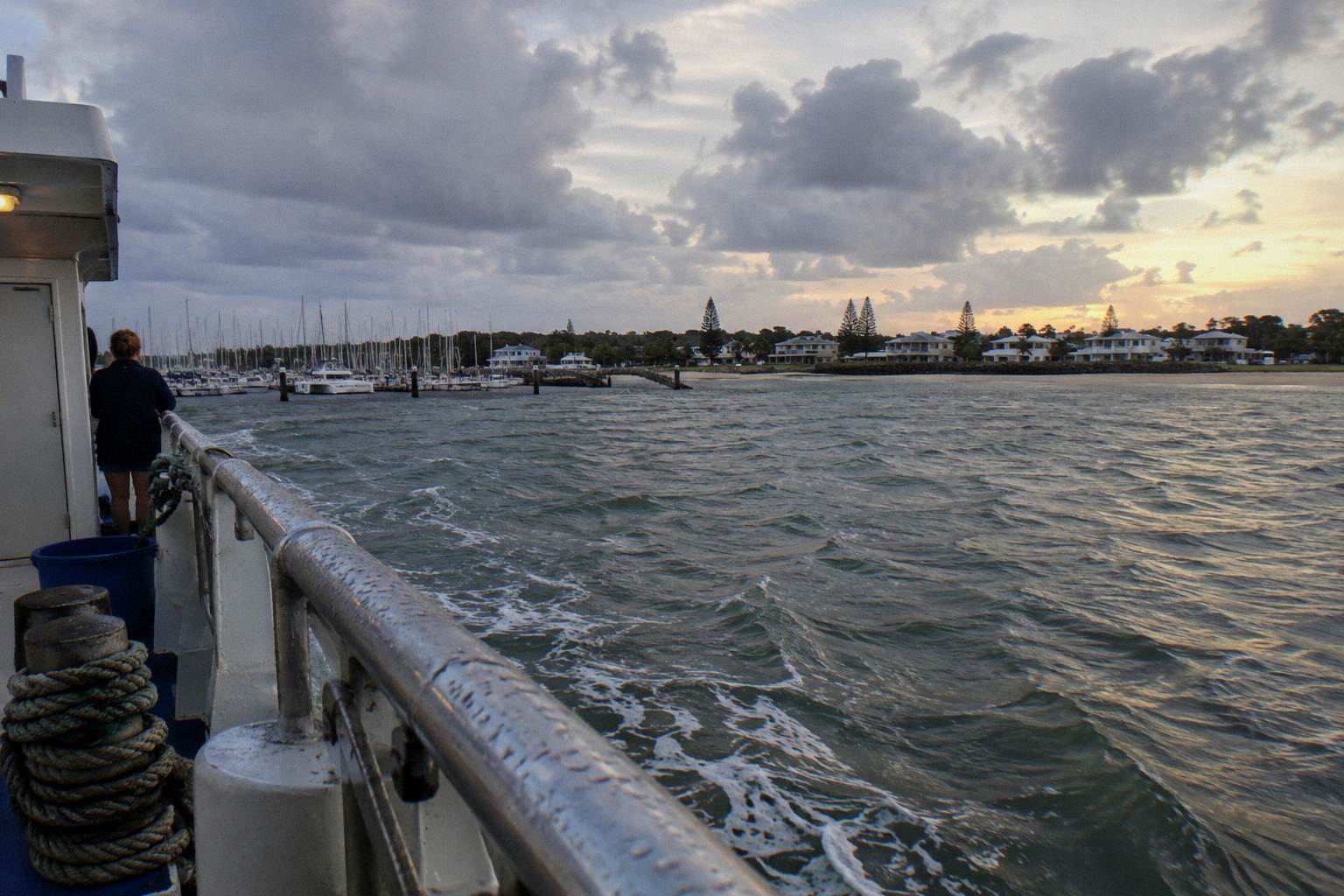
No, dolphins are never guaranteed on a Hervey Bay sunset cruise out of Urangan. Operators only offer a hedged invitation to watch for local dolphins and other wildlife, and no booking carries a sighting guarantee. What you are buying is an evening on the water in a marine park, with commentary, and whatever the bay decides to show you.
That answer surprises people who have read whale-watch marketing from other towns, where sighting guarantees and free-return vouchers are common enough to feel standard. Hervey Bay's evening trips do not work that way. The daytime whale watches are their own products, four hours each, aimed squarely at humpbacks between June and November. The evening cruises are shorter, calmer affairs built around sunset, a drink and the coastline, and the operators write about wildlife the way fishermen talk about a good spot: it lives here, keep watching, no promises.
For a reader weighing whether to book, that distinction matters more than any itinerary detail. If dolphins are the reason you would hand over money, you should know exactly what each operator commits to, what the marine park actually holds, and how the law shapes every encounter you might have.
A note on how the dolphin question interacts with the rest of the bay's wildlife story: the dolphins, turtles and birds on the evening water guide collects the same hedged wording across the whole evening fleet in one place, if you want the wider picture rather than the dolphin question alone.
What The Boat Club Trip Actually Says About Dolphins
The Boat Club Adventure Cruises Twilight Bay Cruise page is the only evening-trip operator that mentions dolphins by name, using two hedged phrases inviting you to watch rather than promising sightings, and what you are actually guaranteed is commentary on marine wildlife from someone on board talking about what lives in the bay.
That wording deserves a close read, because it is easy to skim past "keep your eyes peeled" and remember only "dolphins". The operator chose a phrase that puts the work on your eyes. It names no species as certain, gives no odds, and attaches itself to the whole sweep of the bay's life rather than to one animal. The second phrase, about wildlife coming out to play, is even softer: it describes a general tendency of the water at dusk, not a schedule. The operator's own cruise page is the source for both lines.
The trip itself runs about two hours on the Amaroo, a large stable powered vessel with three viewing decks and a covered top deck with 360 degree views, toilets and a bar on board. It boards at the Hervey Bay Boat Club on Buccaneer Drive in Urangan, departs between 3:30pm and 4:30pm depending on the time of year, and costs from A$55 per person, with one complimentary glass of bubbles at boarding. Amounts on the booking pages are in Australian dollars. The commentary covers marine wildlife and K'gari landmarks, and the scenic destinations may include Woody Island, Round Island, Pelican Bank and the historic Urangan Pier, though the route is subject to change without notice because of tides and weather.
Three viewing decks are the quiet asset for a wildlife watcher. Dolphins surface without warning and disappear just as fast, and the ability to move from a covered deck to an open rail in a few seconds is worth more than any brochure phrase. The trade is that a bigger boat with a bar, a canteen and a sociable crowd is a different evening from a quiet sail, and some watchers prefer silence. Neither is wrong; they are different bets on the same water.
If your evening would be made by marine commentary rather than a specific animal, this is the trip that puts it in writing, and the Hervey Bay Sunset Cruises comparison pages hold the rest of the fleet against it.
| Evening trip | Wildlife wording on the operator page | Wildlife feature you can count on |
|---|---|---|
| Boat Club Twilight Bay Cruise | Keep your eyes peeled for local dolphins and other wildlife | Commentary on marine wildlife |
| Milbi Sunset Cruise | Marine park permit held; glass-bottom viewing subject to tides and conditions | Glass-bottom viewing when tides allow |
| Blue Dolphin Champagne Sunset Sail | No wildlife wording given; a sailing vessel with low passenger numbers | Small group of at most 24 guests |
The Marine Park Wildlife List, And What It Does And Does Not Promise
The Great Sandy Marine Park's official wildlife list from Queensland Parks names whales, turtles, dugong and grey nurse sharks as park-wide residents, yet it does not mention dolphins at all in the lines given. That list covers the entire park, from Baffle Creek in the north to Double Island Point in the south, so it promises only that these waters are alive, not what any single evening crossing will show you.
The scale of the park is the point worth holding onto. It includes Hervey Bay and the Great Sandy Strait, a new zoning plan commenced on 21 May 2024, and the two evening trips that carry marine park fees or a permit, the Boat Club twilight cruise and the Milbi, are operating inside that framework. The warnings page lists crocodiles and marine stingers as general park warnings, which is standard for Queensland coastal waters and applies to the park as a whole rather than to an evening in the bay. The Queensland Government places the start of crocodile habitat near Gladstone and points north, and Hervey Bay sits south of it.
What the park list does for a dolphin hopeful is set expectations in the right direction. Dugong, turtles and grey nurse sharks are all park residents, yet no cruise here promises any of them. The discipline is consistent across the whole fleet: wildlife is described as present in the water, never as part of the product. The Great Sandy Marine Park from the water at dusk guide walks the park's extent and zones in more detail.
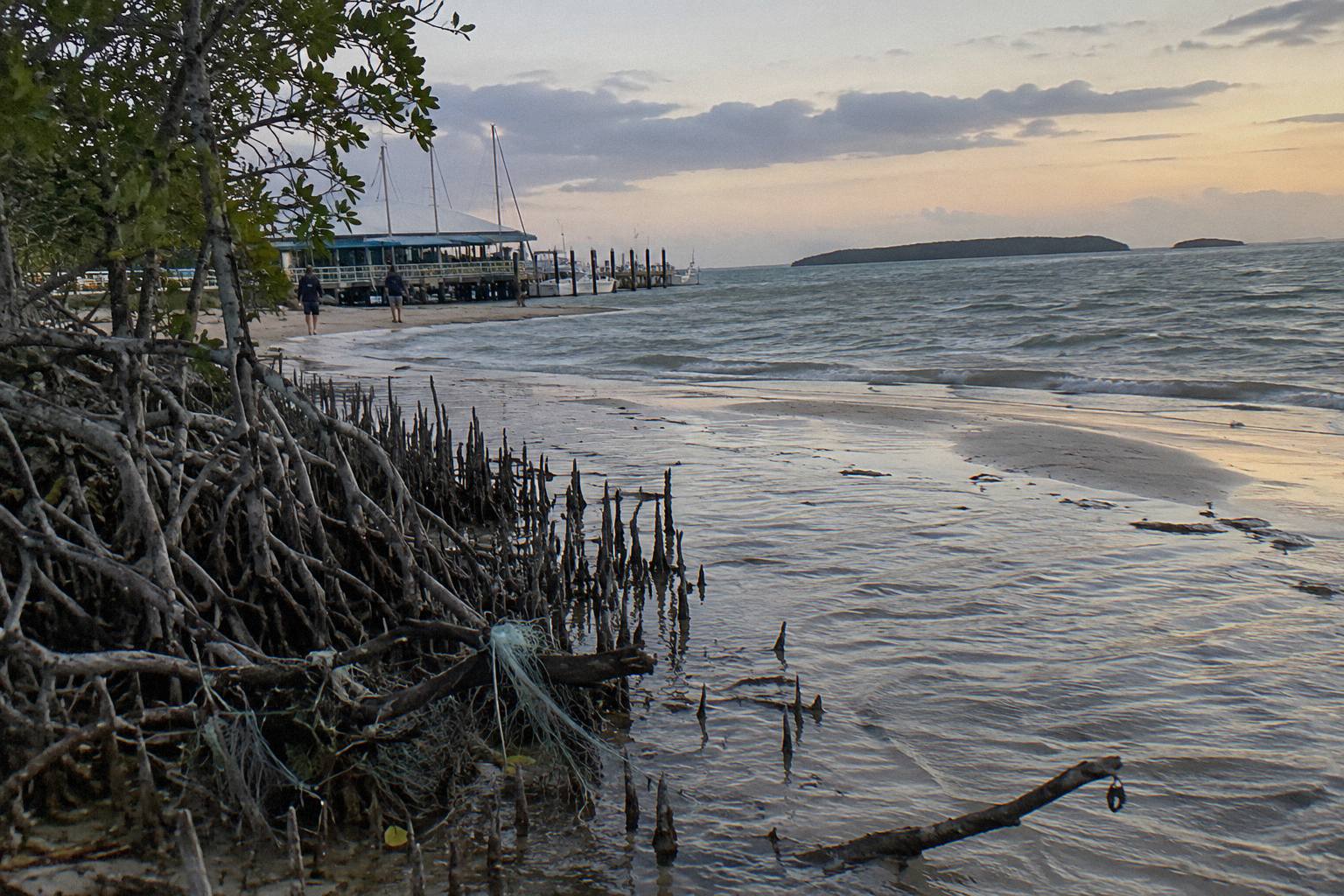
The whale side of the park's life is the biggest draw, and it belongs to the daytime trips. Tourism and Events Queensland says humpbacks are here June to November, peaking July to October, that more than 8,000 whales use these waters each year, and that the bay is one of the world's first designated Whale Heritage Areas. Whale season overlaps the sunset cruises from June to November, but the sunset cruises are not whale watches and nothing is promised. The official whale watching overview for Hervey Bay covers the season and the heritage designation, and the separate question of whether whales can be seen on a sunset cruise has its own answer.
| Marine park fact | Source | What it means for your evening |
|---|---|---|
| Wildlife list includes whales, turtles, dugong, grey nurse sharks | Queensland Parks | The water is alive park-wide; no boat promise attaches |
| Park runs from Baffle Creek to Double Island Point | Queensland Parks | Hervey Bay is one corner of a large protected system |
| Zoning plan commenced 21 May 2024 | Queensland Parks | Current rules govern where boats may go |
| Crocodiles and marine stingers listed as warnings | Queensland Parks | General park warnings, not Hervey Bay evening specifics |
The Milbi is worth a paragraph in any wildlife discussion because it is the evening trip with a viewing feature written into the product. The glass-bottom viewing is subject to tides and conditions, in the operator's own hedged words, but it is the only evening cruise where the water itself becomes part of the show. The family-owned operation holds a marine park permit, stops at Weenandin (Round Island) with the Urangan Pier as backdrop, carries Butchulla place names and meanings of landmarks on its booking page, and serves fresh local king prawns, a grazing platter and a glass of champagne, beer or soft drink, from A$95 per person. The operator's Milbi page states the tide and conditions caveat plainly.
How Close Boats May Go To Dolphins: The Queensland Approach Rules
In Queensland, boats must slow to 6 knots or less within 150 metres of a dolphin (the caution zone) and must not enter the 50-metre no-approach zone, which stretches to 150 metres ahead of and behind a moving animal. No vessel may chase, corner, or herd a dolphin, even one that approaches willingly; every cruise in the bay operates under these rules.
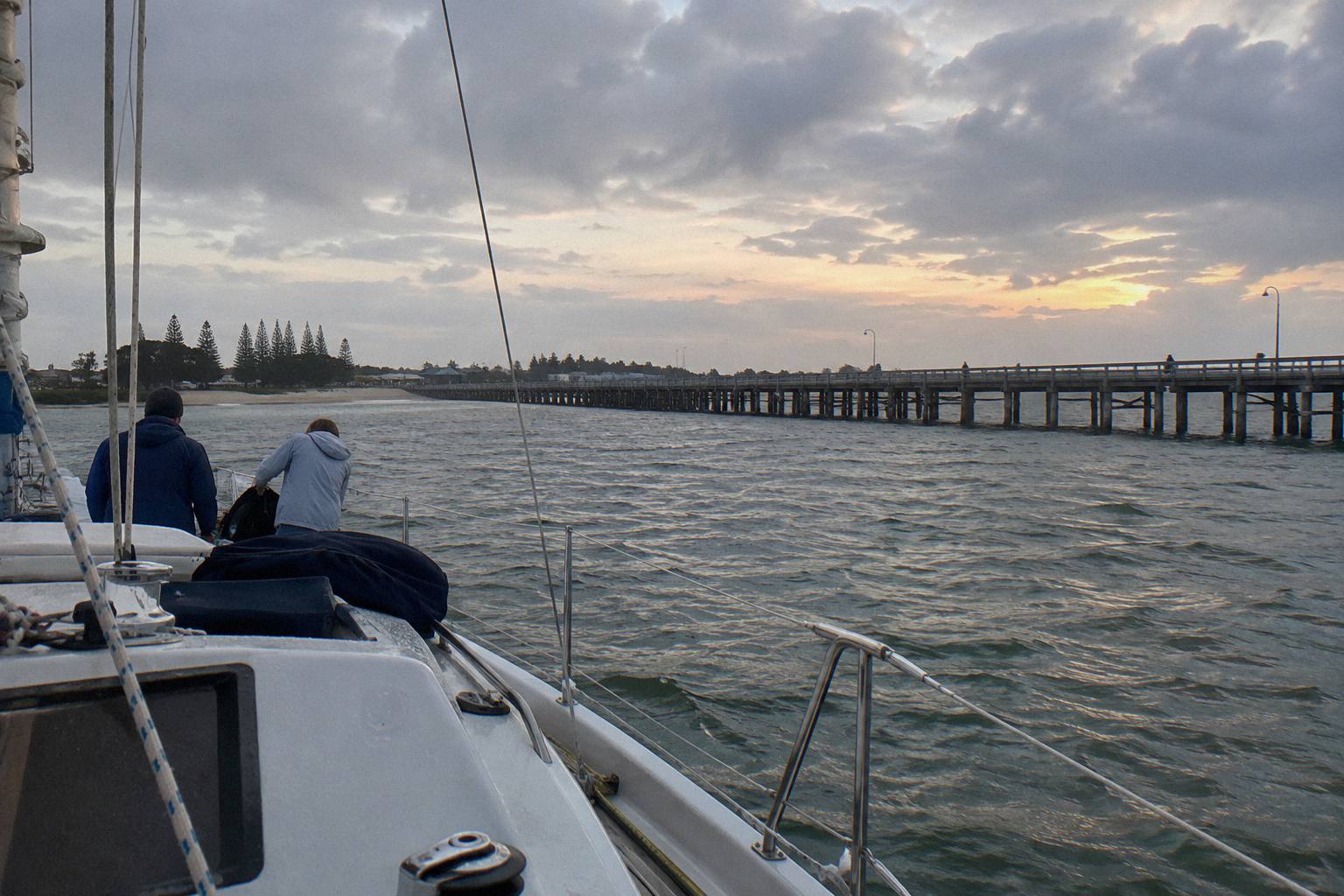
The full rule set from the Queensland Government, runs wider than dolphins. For whales the caution zone is 300 metres and the no-approach zone is 100 metres, or 300 metres ahead and behind a moving whale. No more than three boats may be within the caution zone of an animal at once, no person may be in the water within 100 metres of a whale or 50 metres of a dolphin, and drones may not fly within 100 metres of a whale. The official rules for watching marine mammals carry all of it, with the penalty warnings attached.
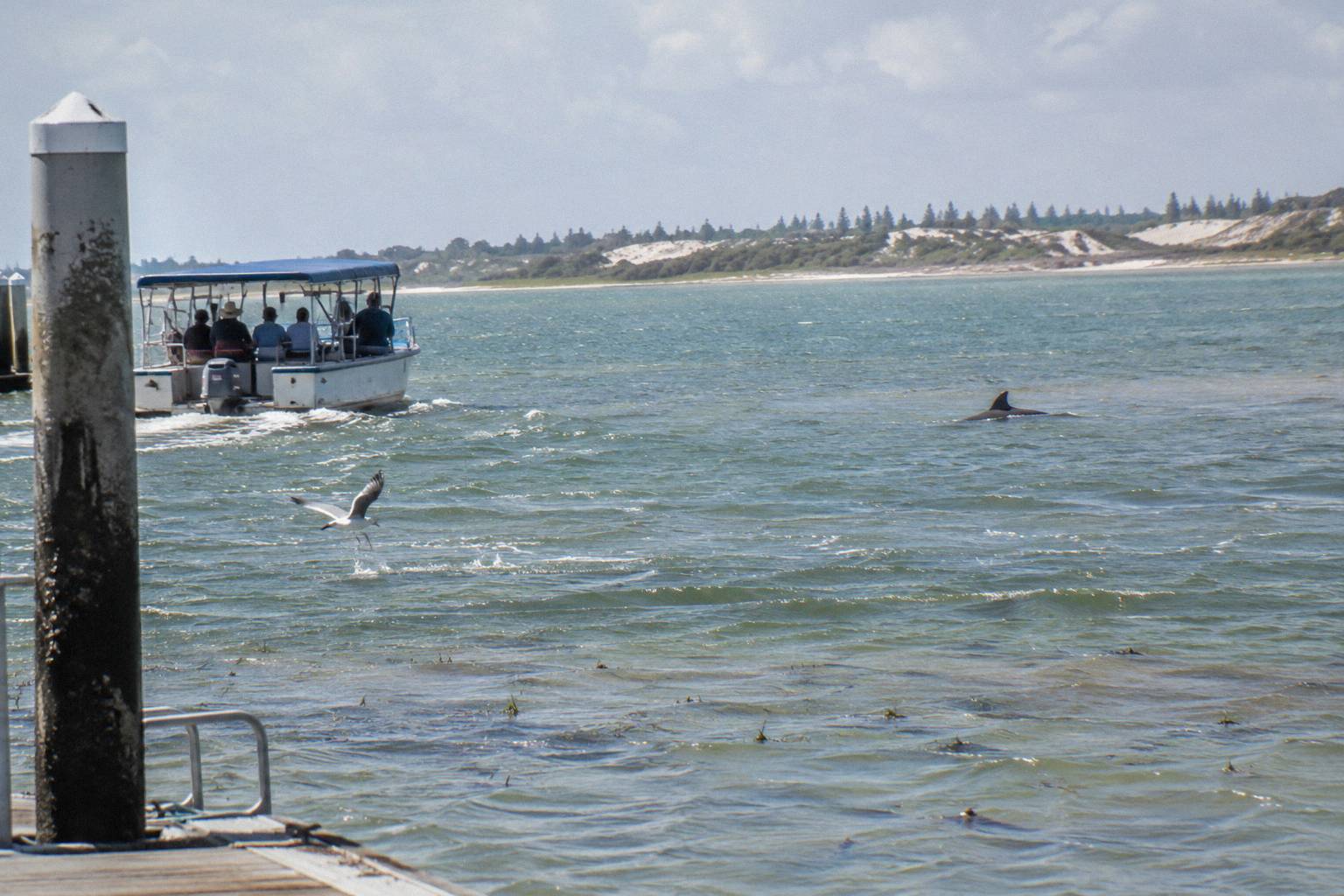
A reader deciding whether to book should understand what these rules do to a sighting. A dolphin that chooses to ride a boat's bow wave is giving you the show; a dolphin that is feeding or travelling with a calf will be left alone, and the skipper has no say in the matter. This is the structural reason no operator can guarantee dolphins: even on a bay with resident animals, the law converts every encounter into a gift rather than a delivery. The dolphins, turtles and birds on the evening water guide carries the same point across the fleet.
It also means the skipper's behaviour is part of what you are paying for. A commercial operator in a marine park with a permit is working inside these limits every single trip, and commentary on board will often explain what the boat is doing and why. That is the payoff of wildlife commentary on a cruise with no sighting promise: you learn the system, you watch it work, and whatever surfaces, surfaces.
| Animal | Caution zone, max 6 knots | No-approach zone | Special limit |
|---|---|---|---|
| Dolphin | 150 m | 50 m, or 150 m ahead and behind if moving | No swimming within 50 m |
| Whale | 300 m | 100 m, or 300 m ahead and behind if moving | No swimming within 100 m; no drones within 100 m |
| Any marine mammal | Three-boat limit inside the caution zone | Penalties apply | Applies to all commercial vessels |
Which Evening Trip Suits A Wildlife Watcher
The Boat Club Twilight Bay Cruise is the evening trip that puts wildlife commentary in writing, from A$55 per person. If a viewing feature appeals, the Milbi carries glass-bottom viewing subject to tides and conditions, from A$95 per person. If a small quiet platform is your preference, the Blue Dolphin Champagne Sunset Sail takes at most 24 guests, from A$100 per person. None of the three promises an animal.
The choice is really about how you like to watch. The Amaroo's three decks and covered top deck give you angles and shelter, plus a bar and canteen, and the run may take in Woody Island, Round Island, Pelican Bank and the Urangan Pier. The Milbi is a family-run vessel with a stop at Weenandin (Round Island), prawns and a grazing platter. The Blue Dolphin is a sailing vessel with low passenger numbers, finger food, sparkling wine and a courtesy bus in the booking, boarding at Great Sandy Straits Marina. Each is a good evening; they simply distribute their attention differently.
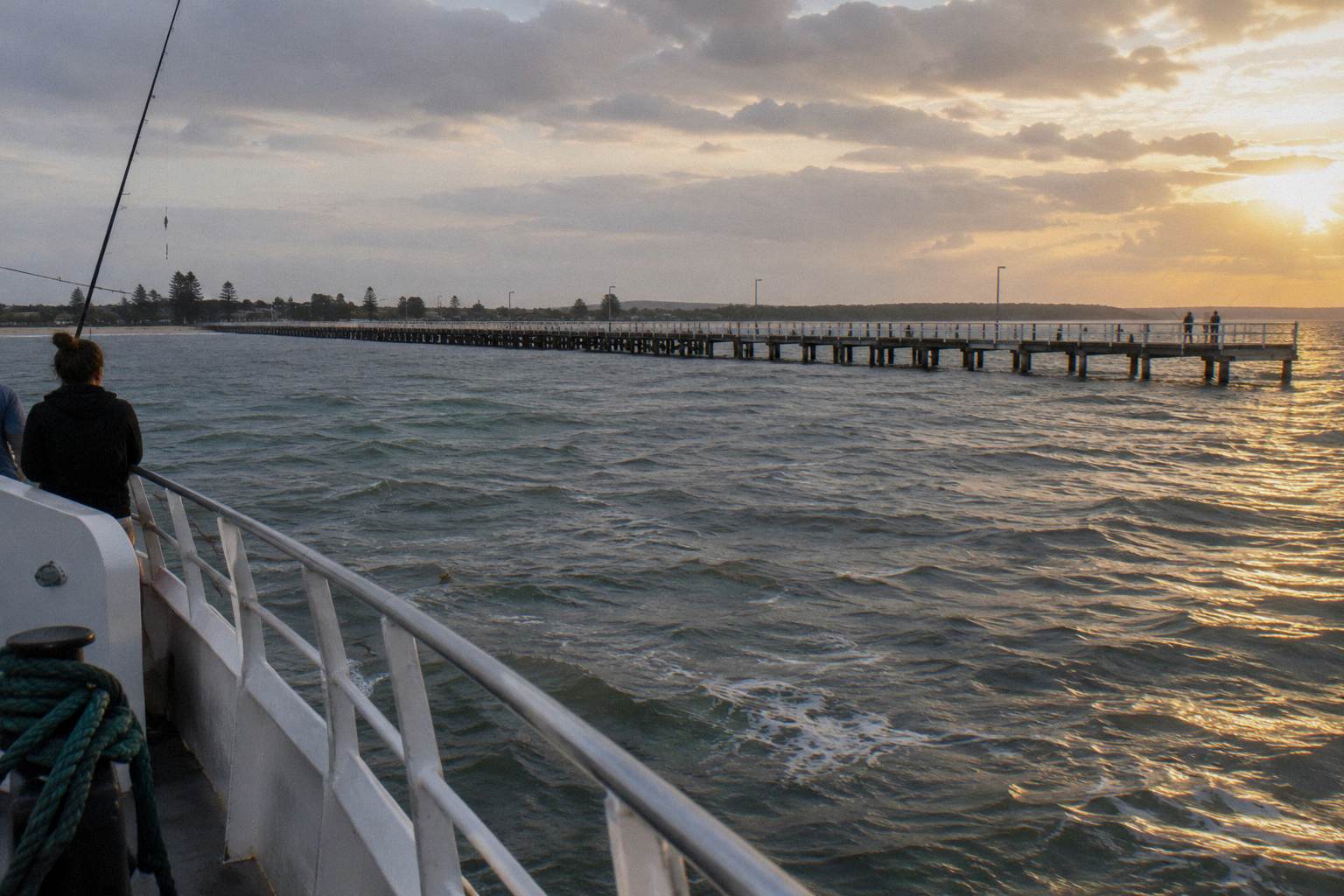
Weather shapes all of them. The Boat Club says its route and destination can change without notice because of tides and weather, the Milbi says tours vary with weather, group size and the guide's judgement, and the glass-bottom viewing depends on tides and conditions. Every trip offers free cancellation up to 24 hours before the start for a full refund, which is the practical safety net when your whole evening is built on conditions. Ask the operator how weather calls are made if a storm is in the forecast. The rain, wind and cancellations on an evening cruise guide handles the rest of that question.
| Trip | From price per person | Rating and reviews | Duration | Wildlife angle |
|---|---|---|---|---|
| Boat Club Twilight Bay Cruise | A$55 | 4.6 from 357 reviews | About 2 hours | Marine wildlife commentary in writing |
| Milbi Sunset Cruise | A$95 | 4.8 from 48 reviews | 1.5 hours | Glass-bottom viewing, subject to tides |
| Blue Dolphin Champagne Sunset Sail | A$100 | 4.9 from 168 reviews | 1.5 hours | Small group, at most 24 guests, quiet sail |
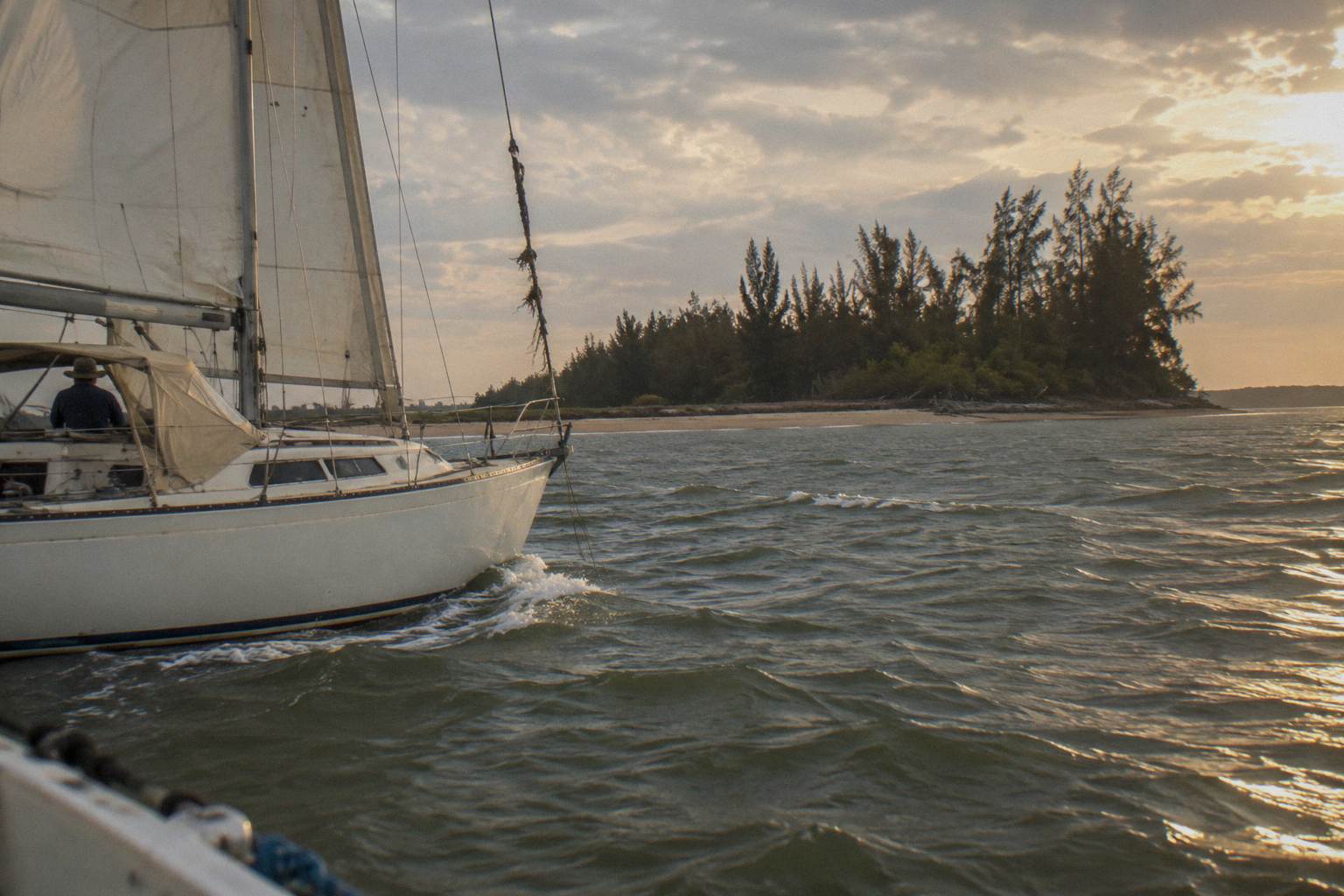
Common Mistakes Dolphin-Hopefuls Make On The Water
The recurring mistakes are simple: booking an evening cruise as a wildlife tour and feeling short-changed, fixating on one species and missing the rest of the water, expecting the skipper to close in for photos, and gambling the whole evening on a single departure when conditions turn. Every one of these is avoidable by matching the trip to the expectation before you pay.
The first mistake is the big one. An evening cruise out of Urangan is a sunset, a drink, a coastline and commentary, in that order, and wildlife is the garnish. The daytime whale watches are the wildlife products: four hours each, morning or afternoon options, aimed at humpbacks in season. The whale season and your evening boat guide draws that line cleanly. If dolphins are the entire reason for the booking, no evening product here will satisfy it, and knowing that before checkout is the difference between a lovely night and a refund request.
The second mistake is optical. A watcher glued to the horizon for a dorsal fin will walk past turtles, rays, seabirds working the surface and the light itself, and dusk on the bay is generous with all of those. The park list of whales, turtles, dugong and grey nurse sharks tells you the system is busy. Watch the water, not a single imagined shape in it.
The third mistake is expecting proximity. The 150 metre caution zone and 50 metre no-approach zone are not negotiable, and a good skipper will hold them without apology. Photos from an evening cruise are photos of a bay at sunset that happen to contain a distant fin, not telephoto portraits. Binoculars belong in your bag for the Boat Club trip, whose operator page lists binoculars, sunglasses, a hat, a warm jumper and a camera among what to bring, plus cash for the canteen.
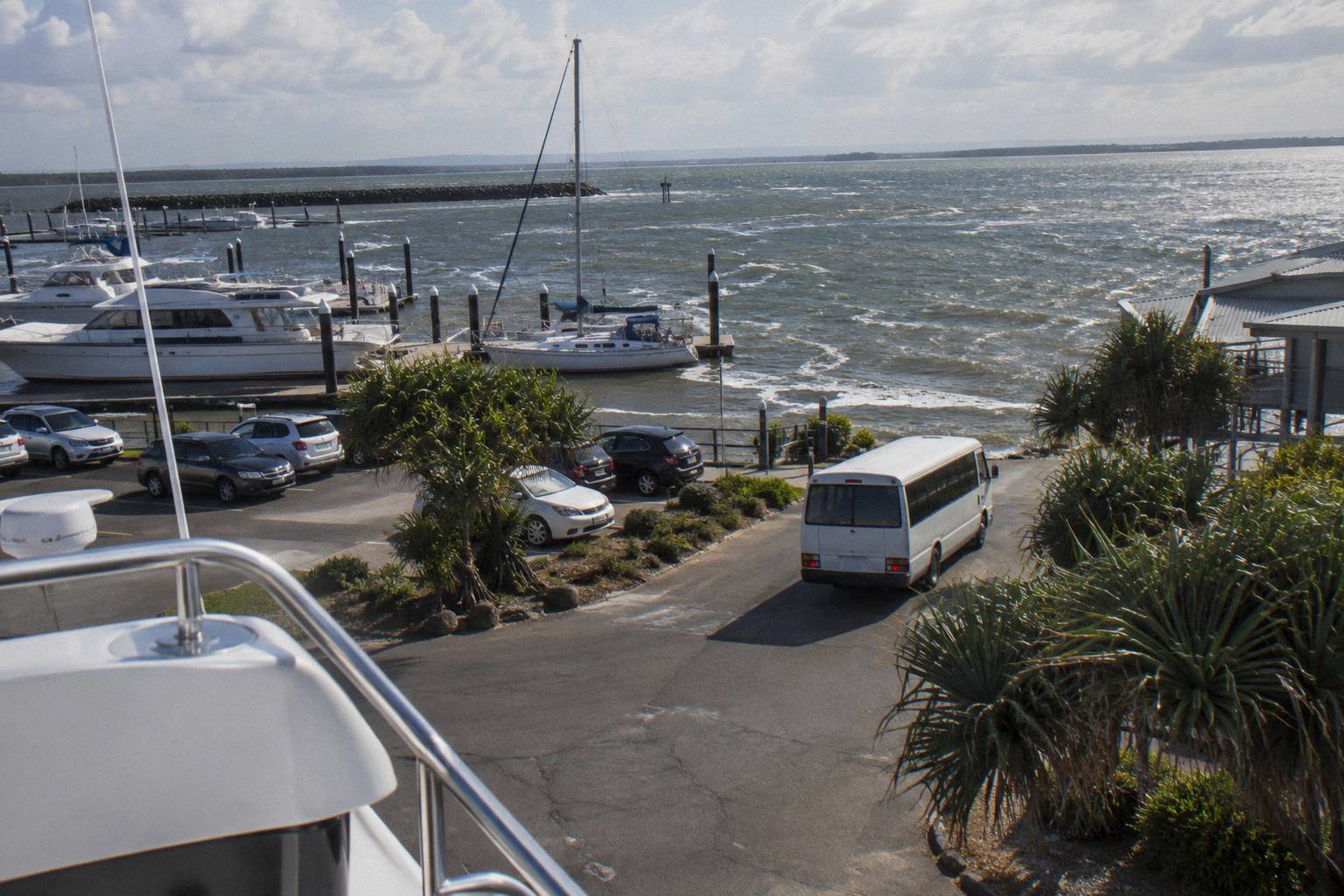
Booking Smart When Wildlife Is The Draw
Book the evening for the evening, and treat anything that surfaces as a bonus. Check availability on the calendar for your date, since start times are chosen there rather than printed in advance, and hold the trip whose platform and inclusions suit you rather than the one with the boldest wildlife copy. Every trip offers free cancellation up to 24 hours before the start, so an uncertain forecast costs you nothing but a decision.
Two small practical points close it out. The Blue Dolphin sail needs at least four guests to run and takes up to 24; if the minimum is not met, the booking page offers a full refund or a move to another vessel. Milbi bookings are essential, per the operator, and group bookings go by phone with minimum numbers. Neither detail changes the dolphin question, but both change how late you can leave your decision, and the question of whether you need to book in advance has its own full answer.
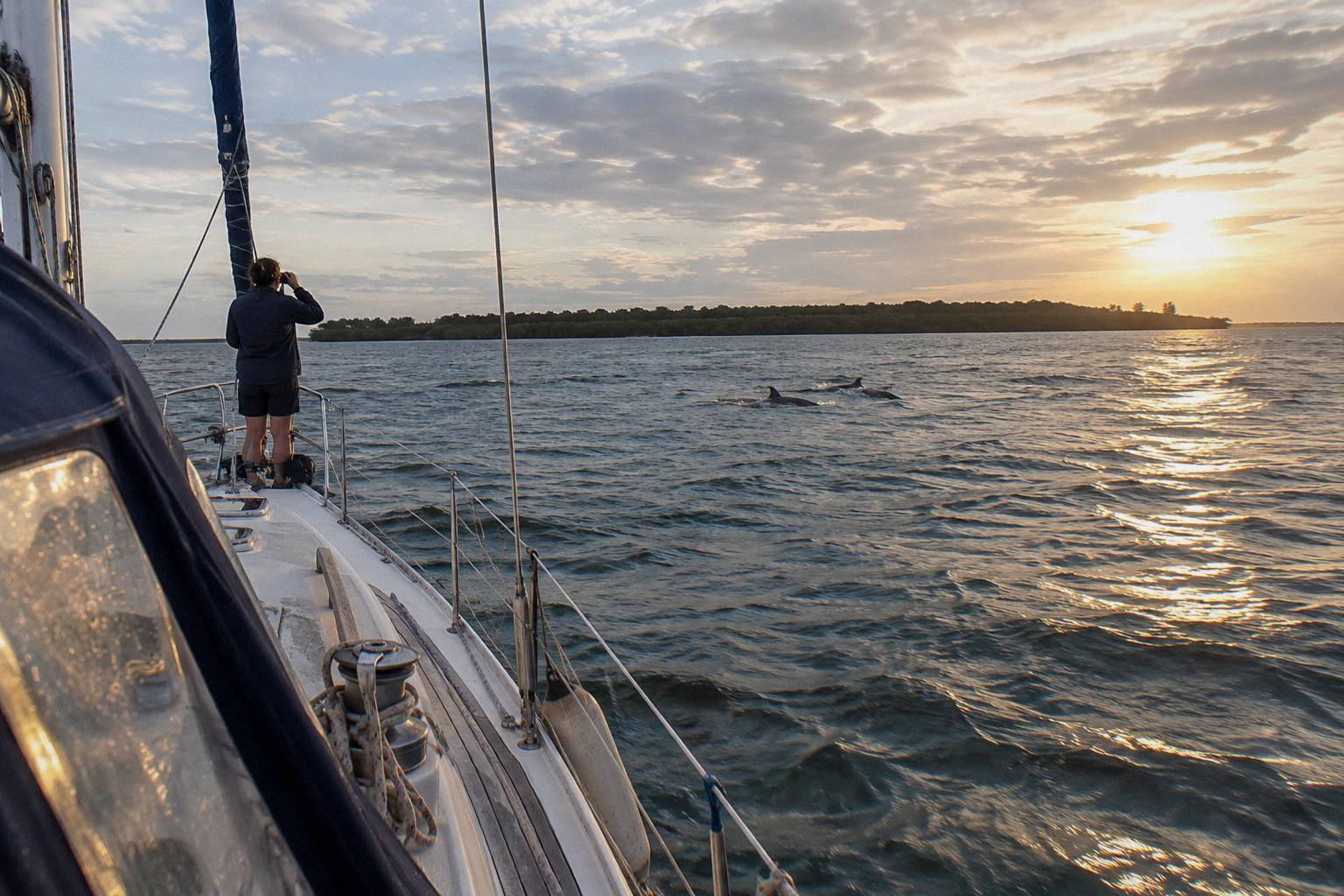
Then there is the matter of what the bay does with an uncommitted watcher. One guest review mentions dolphins alongside the boat, and another mentions a quiet evening with nothing but light, and both reviews describe the same water on different days. That spread is the whole answer to the guarantee question, stated as experience rather than policy. Bring the jumper, bring the binoculars, order the drink, and let the marine park do what it does.
Common Questions About Dolphins And Evening Cruises
Are Dolphins Guaranteed On A Sunset Cruise?
No. No Hervey Bay evening cruise guarantees dolphins or any other animal. The only printed wildlife wording on the evening trips is a hedged invitation to keep your eyes peeled for local dolphins and other wildlife, and Queensland approach rules keep boats at least 50 metres from a dolphin regardless.
Can Any Hervey Bay Cruise Promise Wildlife Sightings?
No trip does, and sighting-guarantee wording from any listing is marketing rather than fact. Whale watching happens on the daytime four-hour cruises, and even those carry no promise in the wording given here. The evening trips offer commentary, a sunset and a marine park setting, never an animal.
How Close Can A Cruise Boat Get To A Dolphin?
Queensland rules set a 150 metre caution zone around a dolphin where boats travel no faster than 6 knots, and a 50 metre no-approach zone, extending to 150 metres ahead and behind a moving dolphin. A third boat limit and swimming bans also apply, and penalties apply to breaches.
Which Evening Cruise Has Wildlife Commentary?
The Boat Club Twilight Bay Cruise includes commentary on marine wildlife and K'gari landmarks, from A$55 per person, 4.6 from 357 reviews, about two hours on the Amaroo with three viewing decks. The Milbi adds glass-bottom viewing subject to tides and conditions, from A$95 per person.
Does Whale Season Overlap The Evening Cruises?
Humpbacks are in these waters June to November, peaking July to October, so the season overlaps the sunset cruises from June to November, but the sunset cruises are not whale watches and nothing is promised. Whale watching is done on the daytime half-day cruises.
What Should I Bring For Watching Wildlife At Dusk?
The Boat Club page for its twilight cruise lists sunglasses, a hat, a warm jumper, a camera and binoculars, plus cash for the on-board canteen. For other trips, ask the operator. Evening temperatures drop with the sun, and the binoculars matter more than the camera at approach distances.