
Rain, Wind And Cancellations: What Happens To An Evening Cruise
Hervey Bay evening cruises sail through a coastal climate with distinct wet and dry months, and every operator words its weather plans differently. Here is what the Bureau of Meteorology averages show, what each boat says about changing or cancelling a trip, and how the 24-hour free cancellation window protects a booking.
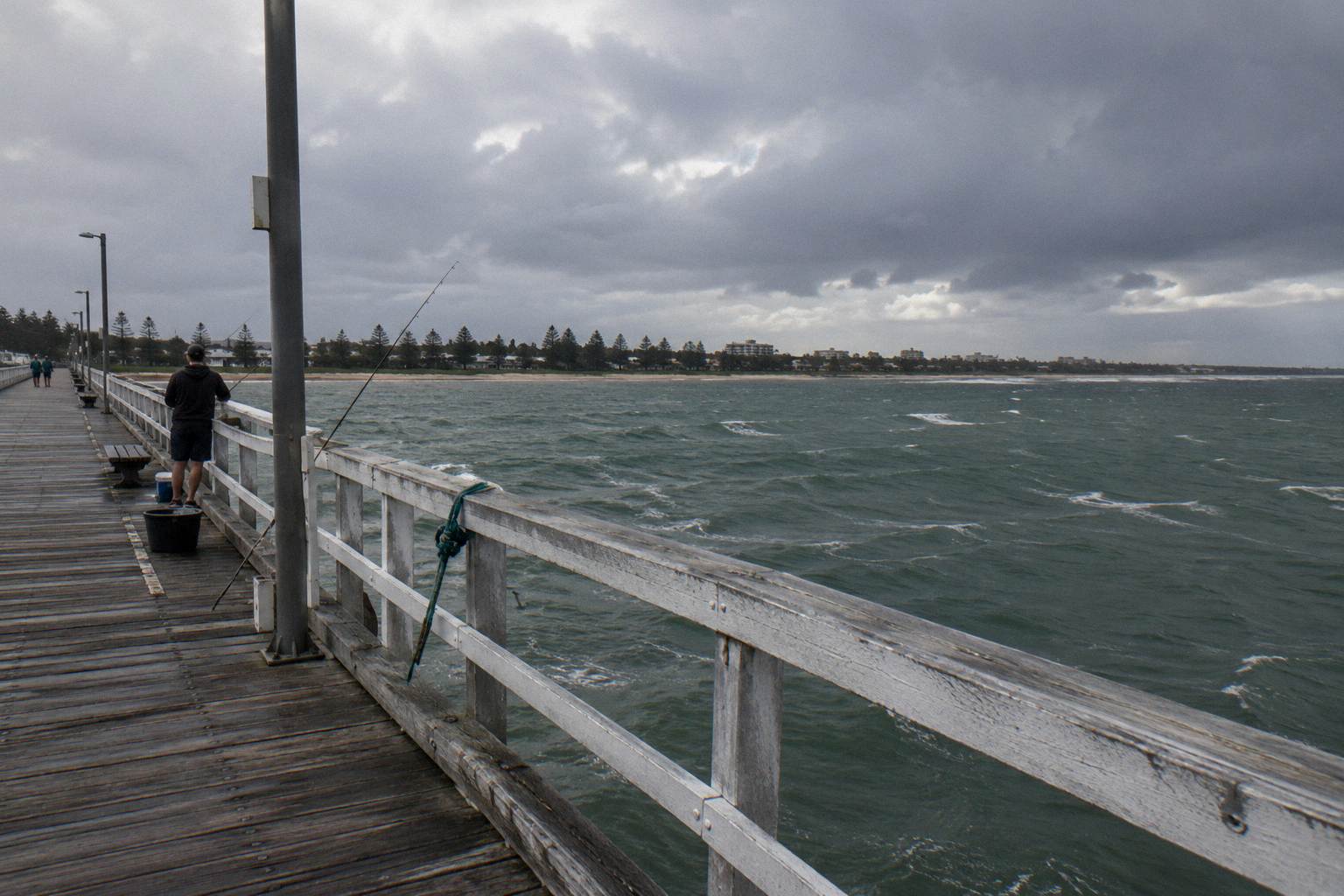
Short answer
All evening cruises out of Urangan come with free cancellation up to 24 hours before departure for a full refund. Rain rarely stops a boat on its own: Boat Club changes routes for tides and weather, the Milbi varies with conditions and the guide's judgement, and the Blue Dolphin needs at least four guests to run. Hervey Bay Airport averages 89.6 rain days a year.
Hervey Bay sits inside the Great Sandy Marine Park, a stretch of water that behaves more like an inland sea than an open coast, and that shapes how its evening cruises handle weather. The bay is protected by K'gari to the north and east, which is why the operators here talk about tides and route changes far more often than they talk about swell. Still, rain falls, wind picks up, and occasionally a trip does not go ahead.
The practical questions are the ones travellers actually ask before they pay. Will my cruise be cancelled if it rains? What happens to my money if it is? Does wind change where the boat goes? The answers sit in three places: long-run climate averages from the Bureau of Meteorology, the weather and change wording each operator publishes, and the booking terms that apply to every trip sold through Hervey Bay Sunset Cruises. All three come with the numbers for each month of the year, so a weather-wary buyer can judge a date before committing.
What Kind Of Weather Does Hervey Bay Get, Month By Month?
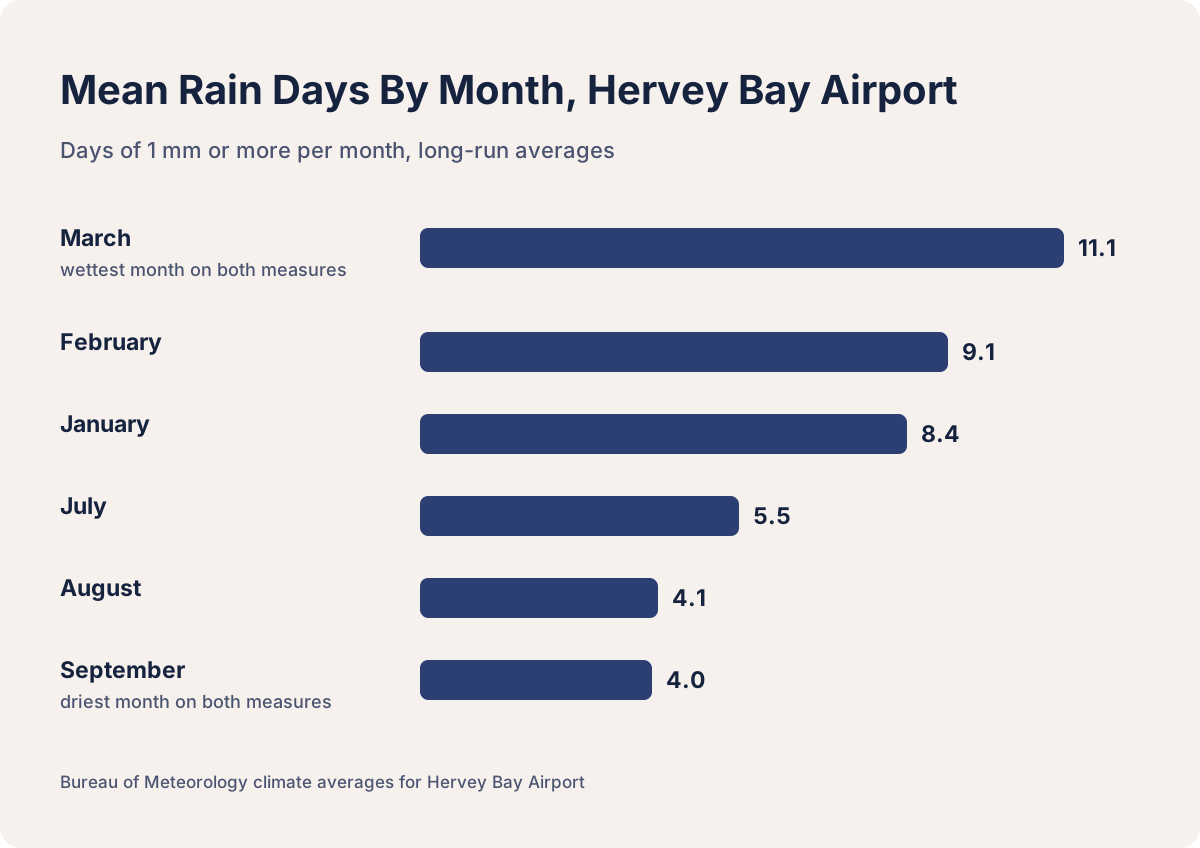
The Bureau of Meteorology's Hervey Bay Airport station, about 5 km from Urangan and recording since 1999, shows wet, warm, windier summers and dry, mild, calmer winters. Mean maximum temperatures run from 30.3 degrees in January down to 21.8 in July, and rain days of one millimetre or more drop from 11.1 a month in March to just 4.0 in September.
Rain tells a sharp seasonal story. The airport records a yearly average of 1052.6 mm of rain across 89.6 rain days, but the distribution is uneven enough to plan around. The three months from January to March each average well over 100 mm, while the three months from July to September each average under 70 mm. A traveller choosing between a February trip and an August trip faces a real difference in the odds of rain on the night, even though neither month guarantees anything.
| Month | Mean rain days (1 mm or more) | Mean rainfall (mm) |
|---|---|---|
| January | 8.4 | 121.6 |
| February | 9.1 | 136.5 |
| March | 11.1 | 151.8 |
| April | 9.4 | 67.0 |
| May | 9.8 | 97.0 |
| June | 7.8 | 67.4 |
| July | 5.5 | 42.1 |
| August | 4.1 | 49.7 |
| September | 4.0 | 33.4 |
| October | 5.7 | 84.9 |
| November | 6.8 | 79.8 |
| December | 7.9 | 137.2 |
March stands out as the wettest month on both measures, with an average of 11.1 rain days and 151.8 mm. September is the driest by the same measures. These are long-run means from the Bureau of Meteorology's climate averages for Hervey Bay Airport, not a forecast, and any single evening can depart from them wildly. What the table buys a planner is a sense of base rates: an August evening cruise is, historically, more than twice as likely to stay dry as a March one.
Temperature matters less for the go or no-go decision and more for the packing one. Evening minimums fall to 10.1 degrees in July and sit at 22.0 in January and February, a twelve-degree spread that justifies a warm jumper in winter and almost nothing extra in high summer. The Boat Club's own bring list for its Twilight Bay Cruise, which names a warm jumper alongside sunglasses, a hat, a camera and binoculars, reads as a year-round list with the jumper doing winter work.
| Month | Mean max (C) | Mean min (C) | Mean 3pm wind (km/h) |
|---|---|---|---|
| January | 30.3 | 22.0 | 22.1 |
| February | 30.2 | 22.0 | 21.5 |
| March | 29.2 | 20.8 | 22.1 |
| April | 27.1 | 17.9 | 20.2 |
| May | 24.4 | 14.4 | 17.0 |
| June | 22.2 | 11.8 | 15.6 |
| July | 21.8 | 10.1 | 16.2 |
| August | 22.9 | 10.7 | 18.0 |
| September | 25.0 | 14.1 | 19.2 |
| October | 26.7 | 17.1 | 19.8 |
| November | 28.2 | 19.2 | 21.1 |
| December | 29.5 | 21.1 | 21.2 |
The wind column deserves its own paragraph. Mean 3pm wind, measured between 1999 and 2010 only, ranges from 15.6 km/h in June to 22.1 km/h in January and March, a light to moderate breeze in every month, and the seasonal swing is modest: the calmest month averages about 70 percent of the windiest. The 3pm reading lands almost exactly in the window when evening cruises are boarding and departing, so it is the closest published number to the conditions on deck at the relevant hour. Nobody booking a summer cruise is signing up for a fundamentally different sea state than a winter one, at least on average. Treat the wind readings as indicative of the seasonal shape rather than a precise current figure, and for decisions about how a particular evening's breeze will feel, the clothing and wind advice for a sunset boat trip goes into layering in more detail than climate tables can.
What Does Each Operator Say About Weather And Route Changes?
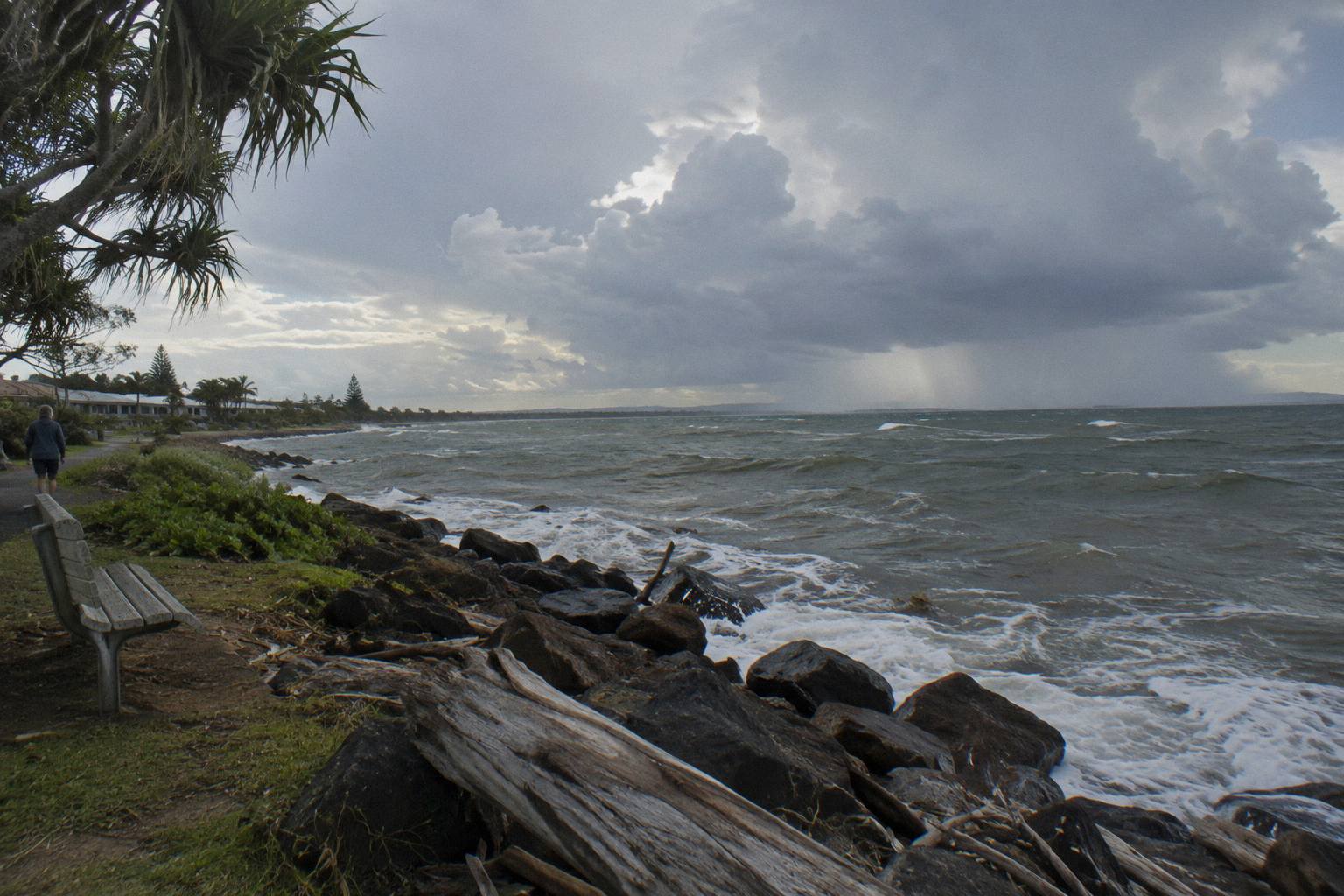
Only two of the evening boats publish anything about changing plans. Boat Club Adventure Cruises states that its route and destination are subject to change without notice because of tides and weather. Hervey Bay Eco Marine Tours says Milbi tours vary with weather, group size and the guide's judgement, and that glass-bottom viewing depends on tides and conditions. Blue Dolphin Marine Tours publishes no weather clause, so ask the operator how weather calls are made.
The Boat Club wording is the broadest of the three. A Twilight Bay Cruise on the Amaroo nominally heads for scenic stops that may include Woody Island, Round Island, Pelican Bank and the historic Urangan Pier, but the operator reserves the right to swap any of that on the day. In practice the protected bay gives the skipper options in several directions, so a wind change tends to move the route rather than end the night. The Boat Club's own twilight cruise page is where the change-without-notice wording lives.
The Milbi wording is more granular. Hervey Bay Eco Marine Tours, a family-owned business, frames every departure as a product of three inputs: the weather, the size of the group on board, and the guide's judgement on the day. The glass-bottom viewing panels, one of the vessel's distinguishing features, carry their own condition: subject to tides. The stop at Weenandin, Round Island, with the Urangan Pier as backdrop, is a regular feature of the trip, but the operator's framing makes clear the shape of the evening flexes with conditions. The Milbi sunset cruise page sets out that variability in the operator's own terms.
| Cruise | What the operator says about changes | Fixed points that stay |
|---|---|---|
| Blue Dolphin Champagne Sunset Sail | No weather clause published; ask the operator | Sailing vessel, max 24 guests, 1.5 hours |
| Milbi Sunset Cruise | Varies with weather, group size and the guide's judgement; glass-bottom viewing subject to tides and conditions | Departure from Fisherman's Wharf Marina, 1.5 hours |
| Boat Club Twilight Bay Cruise | Route and destination subject to change without notice because of tides and weather | Boarding at Hervey Bay Boat Club, about 2 hours |
Notice what none of these clauses say. None of them promises a refund when the operator changes a route, and none sets a wind speed or rainfall threshold that triggers a cancellation. The absence of a published weather threshold is normal for small coastal operators, who prefer case-by-case judgement to a number that lawyers would hold them to. The practical takeaway for a buyer: book with the three evening options in mind, and check availability on each, because all three depart from different points around Urangan Harbour and all three price differently, from A$55 per person for the Boat Club twilight trip to from A$100 per person for the Blue Dolphin sail, amounts in Australian dollars.
The three evening trips also differ in review volume, which is worth a glance when weighing operator reliability. The Boat Club Twilight Bay Cruise holds 4.6 from 357 reviews, the Milbi Sunset Cruise 4.8 from 48 reviews, and the Blue Dolphin Champagne Sunset Sail 4.9 from 168 reviews. Those are satisfaction scores for the trips as experienced, not weather-cancellation records, and they should be read as such.
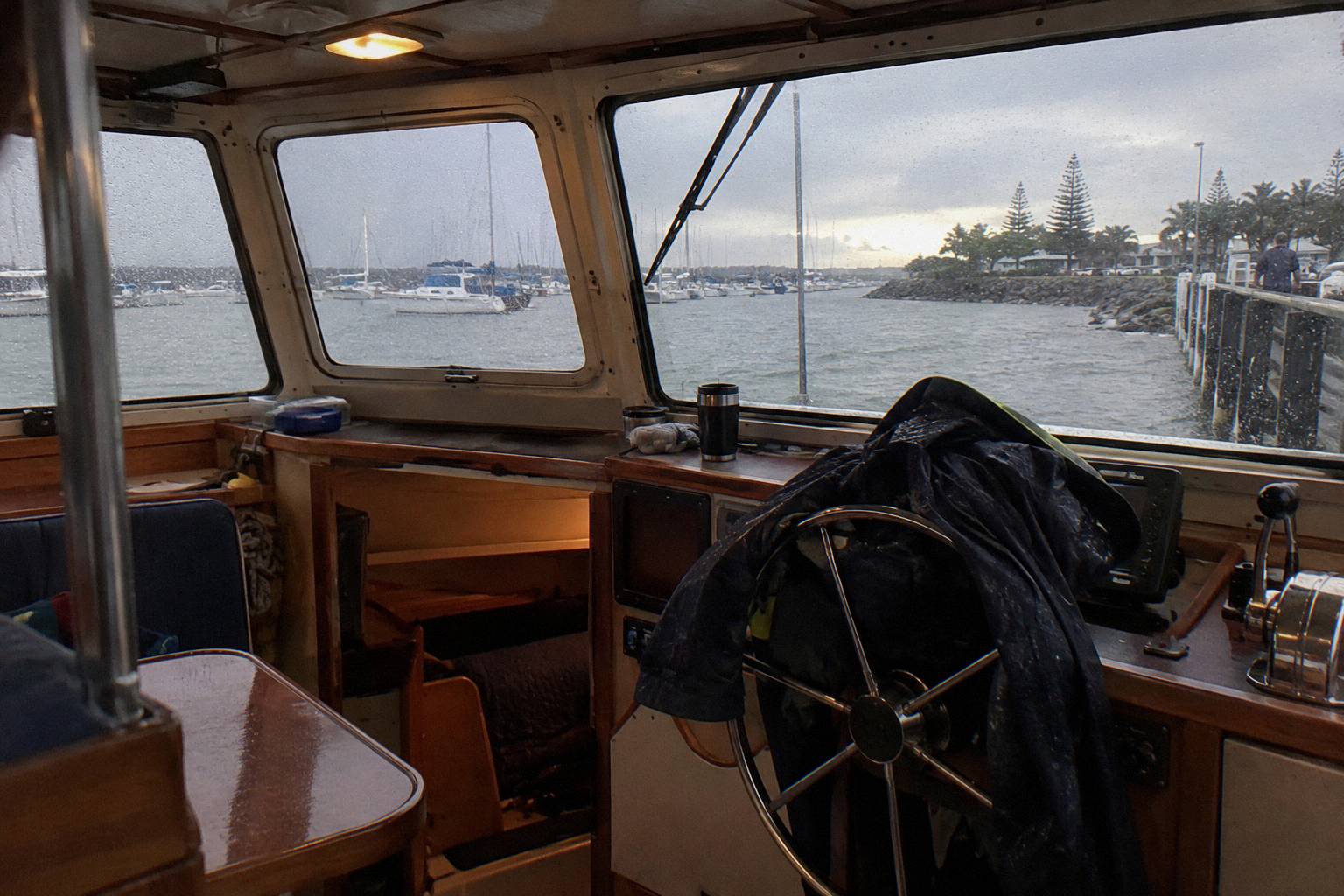
One more environmental factor quietly shapes all three trips: the Great Sandy Marine Park itself, which extends from Baffle Creek in the north to Double Island Point in the south and takes in Hervey Bay and the Great Sandy Strait. A new zoning plan for the park commenced on 21 May 2024, and both the Boat Club and Milbi bookings include marine park fees or a permit. Where a boat may go, and when, is set partly by that framework, not only by the skipper's preference on a breezy evening.
When Does A Cruise Actually Get Cancelled, And What Happens To Your Money?
Every trip sold through the site carries free cancellation up to 24 hours before the start for a full refund, and that window is the buyer's main protection against a doubtful forecast. Inside the 24 hours, the terms change: Blue Dolphin needs at least four guests to run, and if that minimum is not met the booking page offers a full refund or a move to another vessel.
Work through how the 24-hour window plays against a typical forecast. Bureau predictions for rain become meaningfully more accurate inside three days, and a 24-hour call is usually reliable enough to bet a fare on. A traveller who books a Tuesday evening cruise on the Sunday, watching a front due Wednesday, can cancel free until Monday evening and lose nothing. That is the practical value of the window: it lets the forecast firm up before the money is committed, without forcing the buyer to gamble days out.
| Trip | Cancellation and running terms |
|---|---|
| Blue Dolphin Champagne Sunset Sail | Free cancellation up to 24 hours before; needs at least 4 guests to run, max 24; if the minimum is not met, full refund or a move to another vessel |
| Milbi Sunset Cruise | Free cancellation up to 24 hours before; bookings essential per the operator; group bookings by phone with minimum numbers |
| Boat Club Twilight Bay Cruise | Free cancellation up to 24 hours before; boarding 15 minutes before departure |
The Blue Dolphin minimum-numbers rule is the most common cause of a trip not running, and it has nothing to do with weather at all. A sailing vessel carrying at most 24 guests needs a base load to justify a departure, and a quiet Tuesday in the shoulder season can fall short. The remedy is unusually generous: the booking page offers a full refund or a transfer to another vessel, so a shortfall costs time rather than money. The Milbi side is similar in spirit, with the operator stating bookings are essential and handling group reservations by phone under its own minimum numbers.
What the terms never do is promise a refund for bad weather on the operator's side. Ask the operator how weather calls are made before booking if a doubtful forecast is the whole reason for hesitating, and read the refund offer as applying to the 24-hour window and the Blue Dolphin minimum, not to grey skies.
Check-in timing interacts with all of this. Boat Club boards 15 minutes before, while Milbi check-in opens 15 minutes before departure. On a night when the weather is turning, that final half hour is when the operator's judgement gets applied, and being on the jetty early means hearing any change of plan first rather than secondhand.
Does Rain Actually Ruin An Evening Cruise?
Rain alone rarely stops a bay cruise, and whether it spoils one depends more on the boat than the sky. The Amaroo has a covered top deck, toilets and a bar on board; the Milbi has a bathroom and enclosed cabin space; a sailing trip such as the Blue Dolphin sail is more exposed by nature. Summer rain in Hervey Bay often arrives as short storms rather than all-evening drizzle.
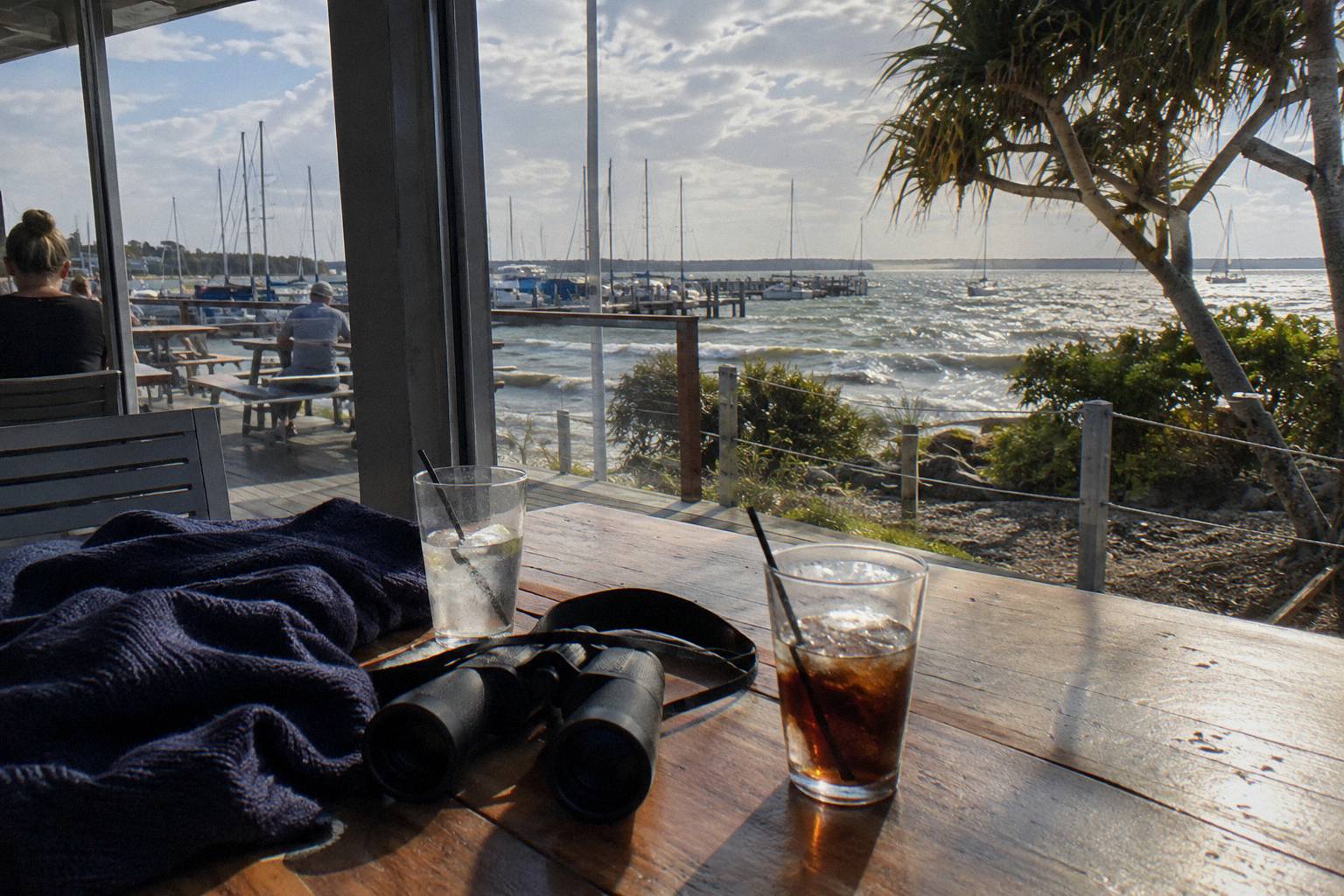
The climate table explains why. Even in March, the wettest month, the airport averages 11.1 rain days out of 31, which leaves most evenings dry, and 151.8 mm spread across those days suggests bursts rather than sustained soakings. A passing shower on a covered boat costs a few minutes on deck and nothing else, while a genuinely wet night shifts the evening indoors, where the Boat Club canteen with its chips, the complimentary glass of bubbles on boarding, and a small plate of nibbles keep the trip social. The Boat Club also offers a discount on dining at its cafe and restaurant, which doubles as a rain plan for before or after.
The Blue Dolphin Champagne Sunset Sail is the trip where rain bites hardest, because a sailing vessel is an open-air experience by design. Its inclusions, sparkling wine plus a complimentary beer, wine or soft drink and finger food, travel with the weather, and the courtesy bus that is part of the booking softens the ends of the evening but not the middle. Its 4.9 from 168 reviews suggests most passengers leave happy regardless, but a buyer whose enjoyment depends on staying dry should weigh it against the covered options on a doubtful forecast.
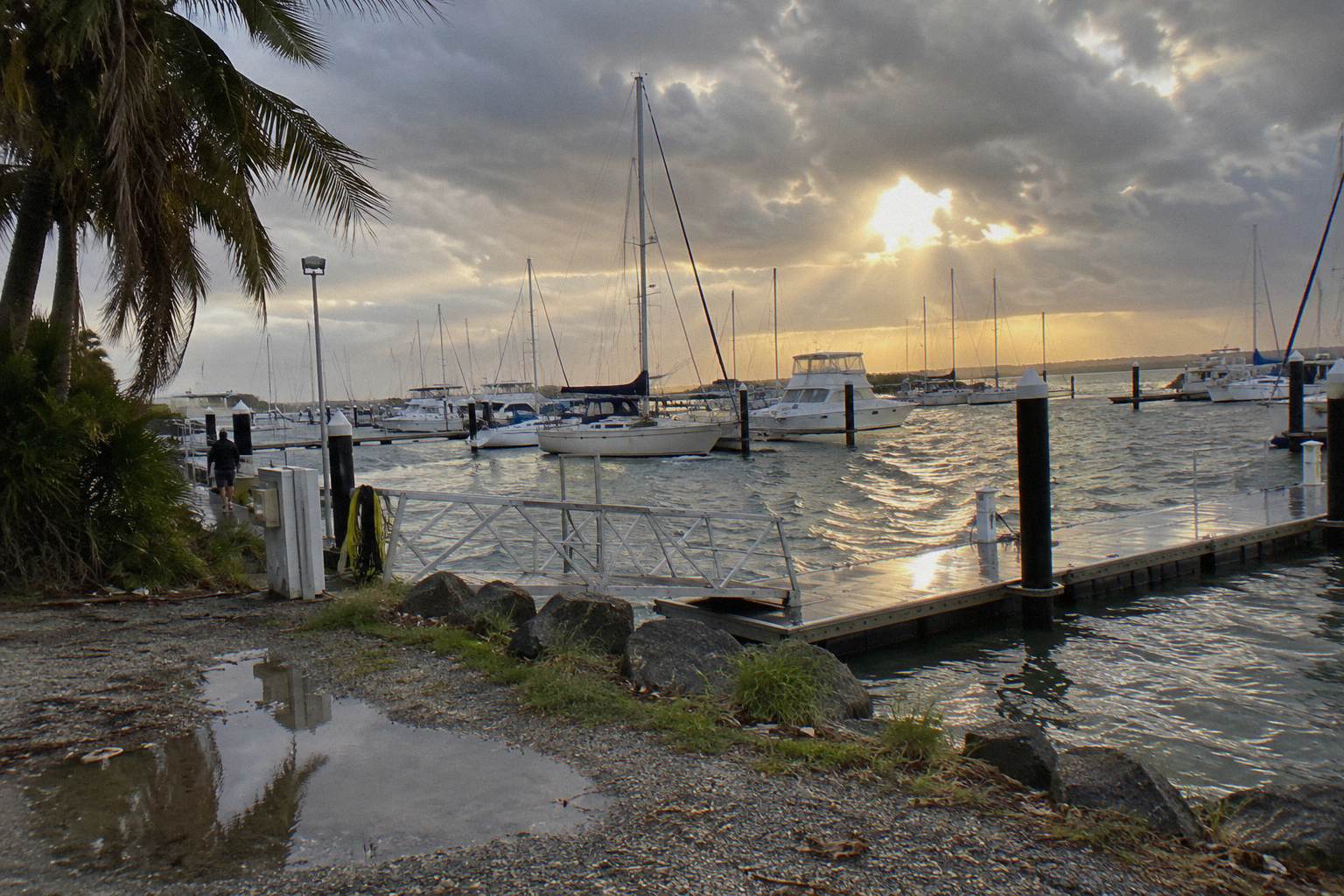
The subtler risk with rain is not comfort but light. A heavy cloud bank can mute the sunset that gives these trips their name, turning a colour show into a grey one. That risk exists in every month, and no operator promises a visible sunset, just as none promises wildlife: the Boat Club's own wording is to keep your eyes peeled for local dolphins and other wildlife, a hedged invitation rather than a guarantee. Buyers wanting a deeper look at that framing can read the guide to dolphins, turtles and birds on the evening water.
Wind, Tides And The Parts Of A Trip That Change First
Wind and tide change an evening cruise from the edges inward: the route flexes first, then the stops, then specific features. On the Milbi, the glass-bottom viewing depends on tides and conditions, so it is the single most weather-dependent advertised feature among the evening trips. On the Amaroo, the destinations may include Woody Island, Round Island, Pelican Bank and the Urangan Pier, and the operator changes any of them without notice for tides and weather.
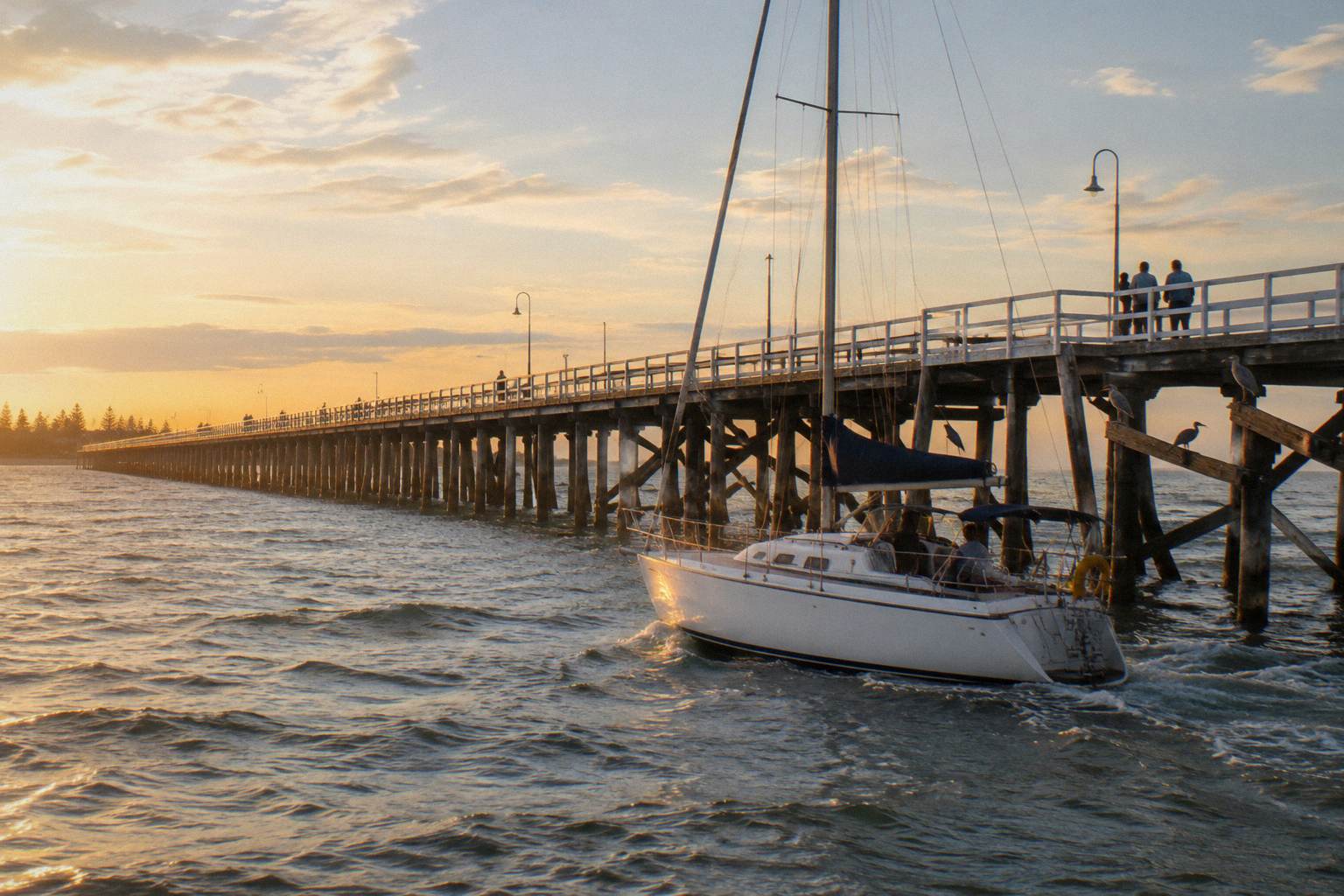
The bay's geography makes this flexibility possible. Hervey Bay is sheltered by K'gari, seen from the water only, and the cruise routes work along a coast dotted with islands and banks that offer leeward options in most wind directions. A southerly change pushes a skipper toward one side of the bay; a northerly suggests another. The passenger experience of that is a different skyline rather than a rougher ride, most nights, and the commentary aboard the Amaroo covering marine wildlife and K'gari landmarks continues regardless of which landmark the boat is actually passing.
Tide matters most to the Milbi because of the glass bottom. Viewing through the panels is subject to tides and conditions per the operator, meaning the feature is present on the boat but not always usable on the night. The rest of the Milbi evening, the fresh local king prawns, the grazing platter, the included glass of champagne, beer or soft drink, and the stop at Weenandin with Butchulla place names shared along the way, does not depend on the tide. A buyer choosing the Milbi purely for the glass bottom should treat it as a possible bonus, not a promise.
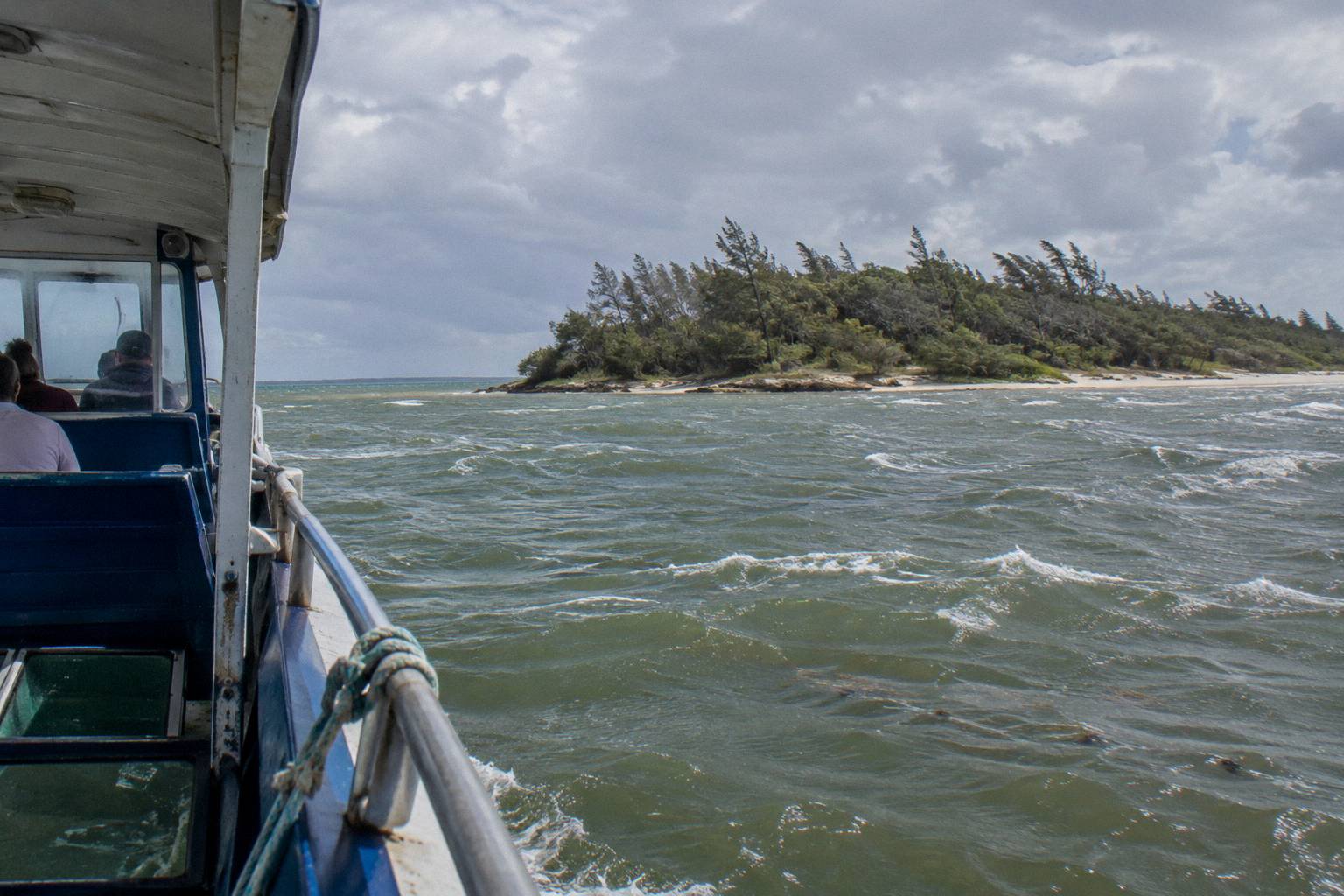
For passengers whose real worry is motion rather than route, wind and comfort connect through the vessel, not just the weather map. The Amaroo is described by its operator as a large stable powered vessel with three viewing decks, while a sailing vessel moves with the breeze by definition. Anyone who feels uneasy about that difference can start with the question of seasickness on an evening cruise before choosing between a powered boat and a sail.
What Should You Pack When The Forecast Looks Uncertain?
The only published packing list among the evening trips belongs to Boat Club for its Twilight Bay Cruise: sunglasses, a hat, a warm jumper, a camera and binoculars, plus cash for the on-board canteen where alcoholic and soft drinks are sold. For the Milbi and the Blue Dolphin sail, no packing list is published, so ask the operator. Climate averages give the rest: evening minimums range from 10.1 degrees in July to 22.0 in January.
The cash note deserves its own sentence. The Boat Club canteen sells alcoholic and soft drinks and food including chips, and the operator's advice to bring cash is practical rather than formal, so a wallet with notes covers the gap between the one complimentary glass of bubbles on boarding and whatever the evening demands after that. On the Milbi, a glass of champagne, beer or soft drink is included with coffee, tea and water available, and for anything beyond that, ask the operator. Nobody should assume drinks can be brought aboard: ask the operator before bringing your own on any trip.
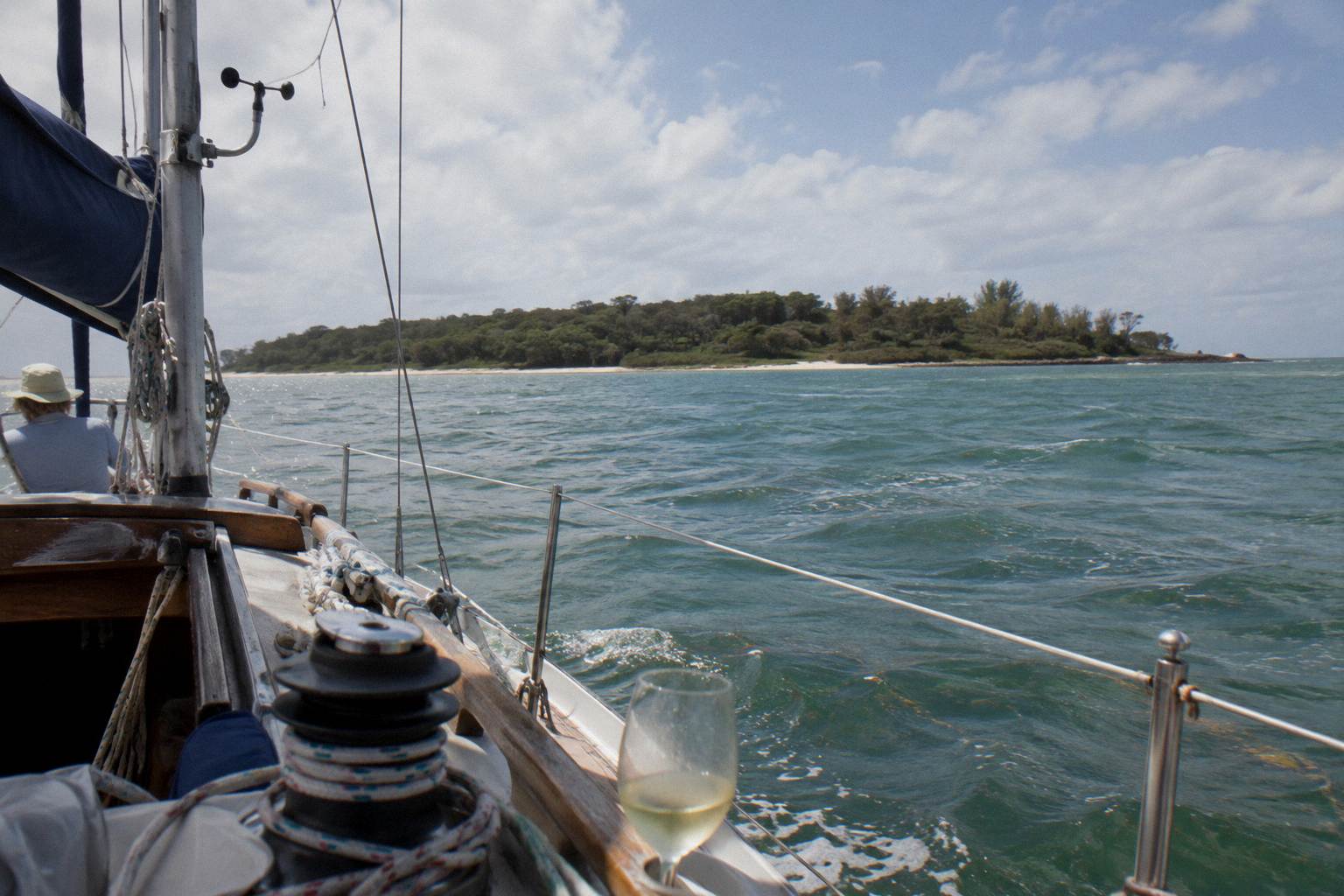
Layering is the answer to the temperature column. A July evening averaging a 10.1 degree minimum over still water feels sharper on a moving boat, and a January night at 22.0 needs almost nothing. The jumper on the Boat Club list earns its place from about April to October, and the hat and sunglasses earn theirs in every month the sun makes an appearance. Binoculars are on the list for the same hedged reason as the wildlife commentary: the bay's animals are a possibility, not a schedule.
Common Mistakes People Make With Weather And Bookings
The recurring mistakes are consistent: booking far outside the free cancellation window and feeling trapped by a forecast, assuming rain means an automatic refund, expecting the glass-bottom viewing or a specific island stop regardless of tides, arriving at check-in with no cash on a Boat Club night, and treating a climate average as a forecast for one evening. Each mistake is avoidable with one piece of knowledge already in the operator terms and the Bureau data.
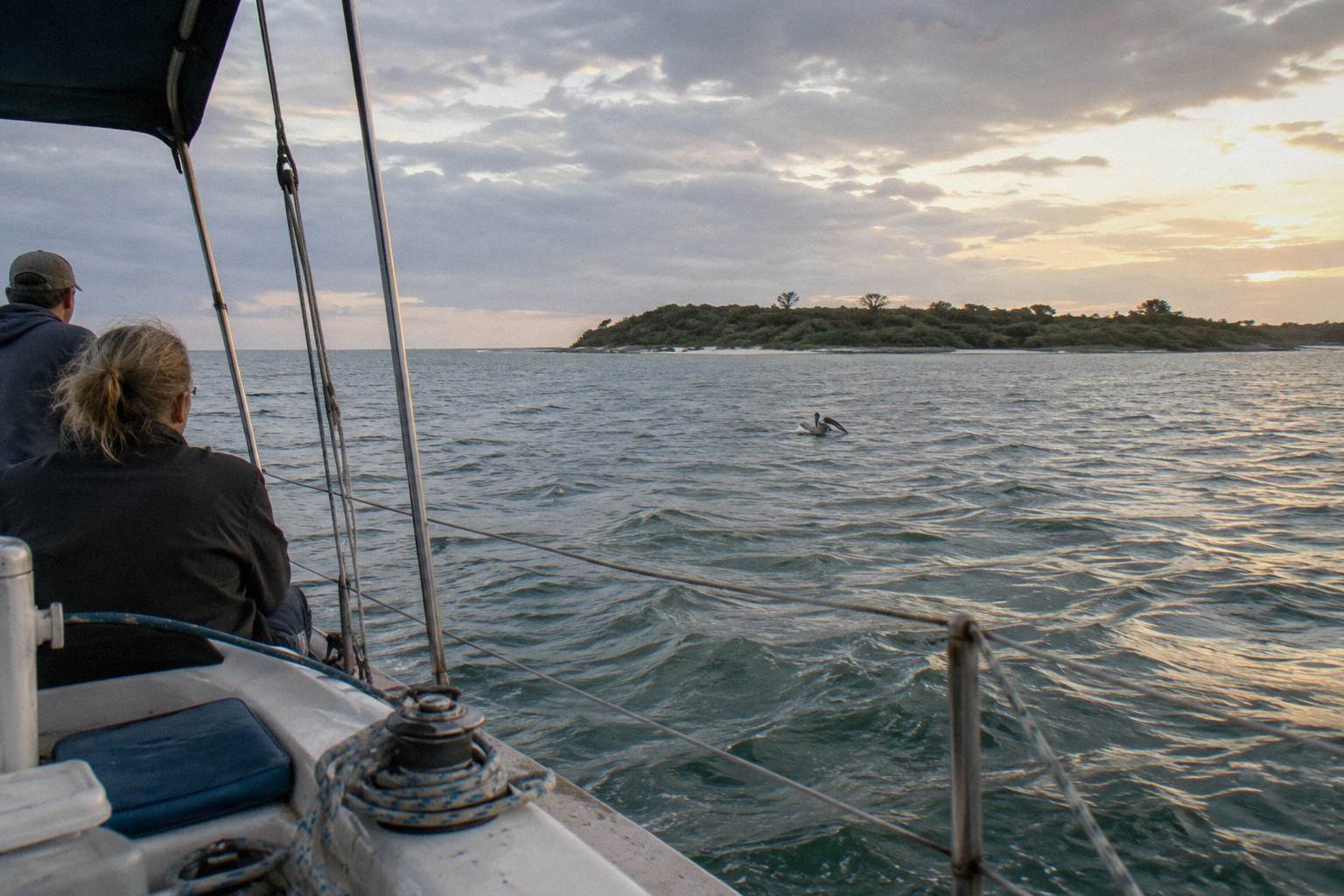
Booking outside the window is the costliest habit. Free cancellation runs to 24 hours before the start on every trip, so a traveller who books three weeks out for a peak-season date has locked the fare long before any forecast exists. The better rhythm for the weather-wary is to book when the forecast window opens and hold the seats with the cancellation right still intact, then commit or withdraw as the picture firms. The trade-off is availability on busy nights, and the question of whether advance booking is necessary covers that balance from the demand side.
Assuming a weather refund is the second trap, and it repeats a point made earlier: nothing should be assumed in either direction. The 24-hour free cancellation is the buyer's right; anything the operator does beyond that, such as the Blue Dolphin's refund-or-move offer when its four-guest minimum is not met, is a term, not a courtesy the buyer can extend to weather by argument.
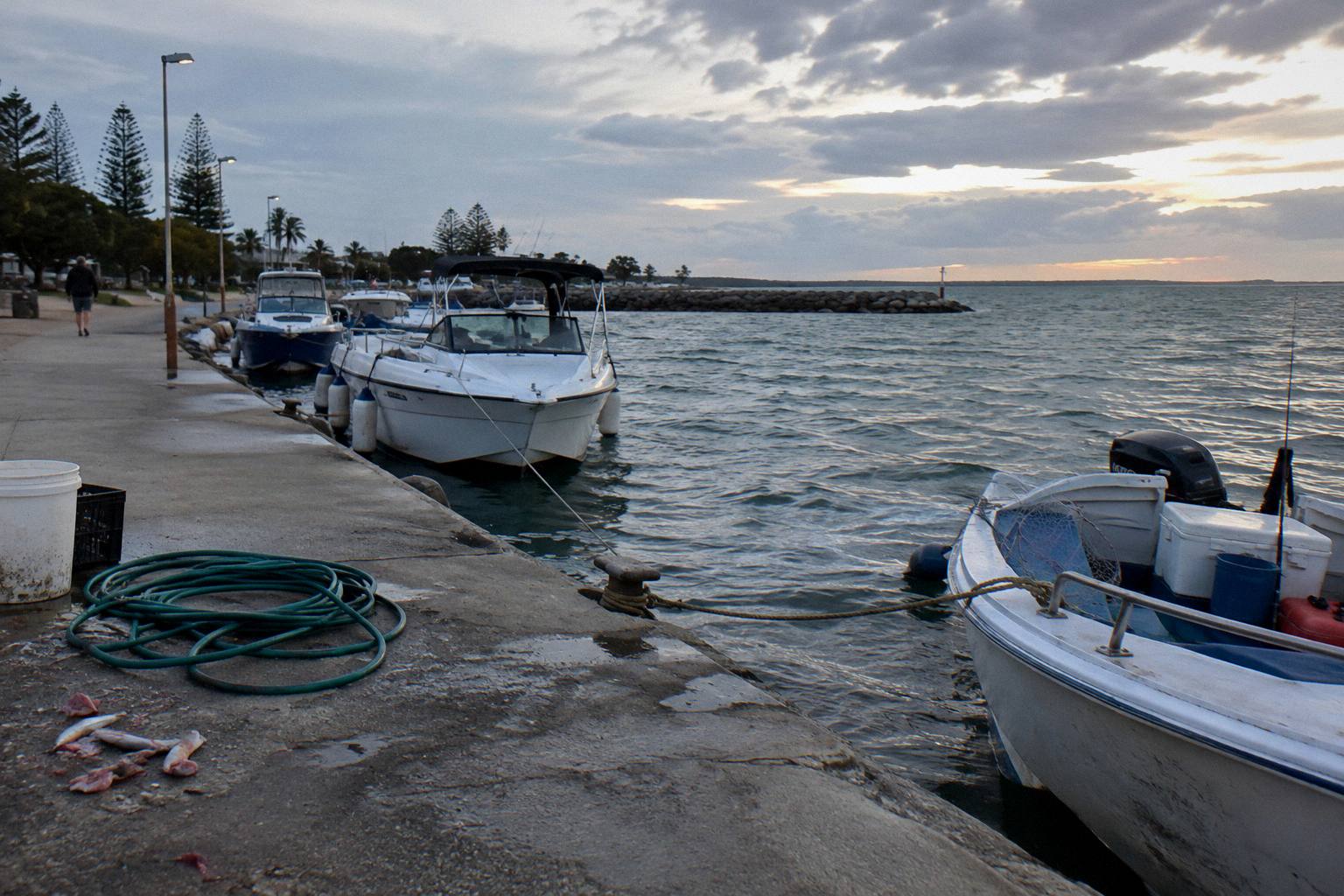
The third mistake is expecting advertised features to be unconditional. The Milbi glass bottom depends on tides; the Amaroo route and destination change without notice; the sunset itself depends on cloud no operator controls. Reading every advertised element as weather-flexible reframes the evening as a bay trip with sunset odds, which is what is actually being sold. Travelers deciding between an evening on the water and watching from shore can weigh the choice between Urangan Pier and the water for sunset.
Whichever way the forecast leans, the booking flow is the same: pick the evening trip that fits, check availability for the date, and let the 24-hour window do the weather-watching.
Common Questions About Weather And Evening Cruises
Will My Evening Cruise Be Cancelled If It Rains?
Rain alone rarely cancels a bay cruise. The Boat Club changes its route and destination for tides and weather rather than calling trips off, the Milbi varies with conditions and the guide's judgement. Ask the operator how weather calls are made if the forecast is the reason for hesitating.
What Happens To My Money If The Cruise Is Cancelled?
Every trip sold here carries free cancellation up to 24 hours before the start for a full refund. If the Blue Dolphin's minimum of four guests is not met, the booking page offers a full refund or a move to another vessel.
How Windy Is Hervey Bay In The Evening?
Mean 3pm wind at Hervey Bay Airport, from readings between 1999 and 2010, ranges from 15.6 km/h in June to 22.1 km/h in January and March, an annual mean of 19.5 km/h. That is light to moderate breeze territory in every month, and K'gari shelters the bay from open-ocean conditions.
Which Is The Driest Month To Book An Evening Cruise?
September averages 4.0 rain days of one millimetre or more and 33.4 mm of rain at Hervey Bay Airport, the lowest of any month on both measures. August is close behind at 4.1 rain days. March is the wettest at 11.1 rain days and 151.8 mm.
Can The Route Change Even If The Cruise Still Sails?
Yes. The Boat Club states its route and destination are subject to change without notice because of tides and weather, and its stops may include Woody Island, Round Island, Pelican Bank and the Urangan Pier. On the Milbi, the glass-bottom viewing is subject to tides and conditions.
Should I Book In Advance Or Wait For The Forecast?
Every trip allows free cancellation up to 24 hours before the start, so booking inside the reliable forecast window costs nothing if plans change. Milbi bookings are essential per the operator, and peak nights can fill, so holding seats early and using the cancellation right is usually the better rhythm than waiting.