
What Is The Best Time Of Day To See Whales On A Whale Watching Tour?
Morning or afternoon: how whale watching departure times work in Hervey Bay, what the season changes, and how the three daytime cruises compare.
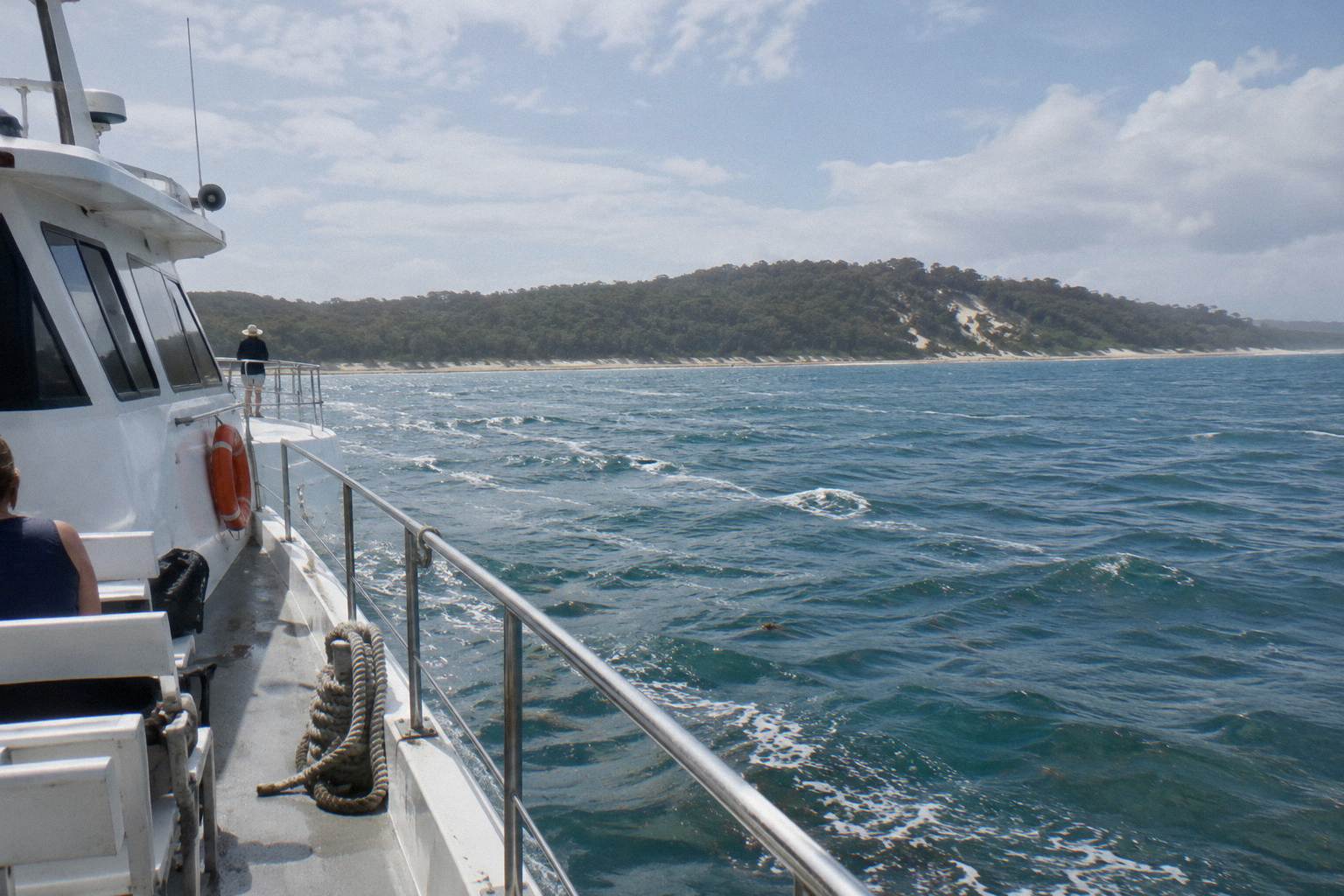
No verified answer exists for the best time of day to see whales in Hervey Bay, and any page that promises one is guessing. The whale-watch operators run morning and afternoon options, tea served on board is listed as morning or afternoon, and the booking calendar shows the departures for your date. What genuinely moves your odds is the month you choose, not the hour on the clock.
That distinction matters because time-of-day advice gets repeated constantly without any source behind it. Tourism and Events Queensland, the state body whose whale information covers Hervey Bay, describes when humpbacks are present and how the season shifts, but it names no preferred hour. Neither do the operators. The Tasman Venture 4-Hour Whale Watch sails twice daily, which tells you the operator considers both halves of the day workable, and the other cruise operators offer morning or afternoon options in the same way.
So the productive question becomes a different one. Instead of hunting for a magic departure slot, you get further by picking the right month, picking the right cruise for your budget and boarding point, and understanding the rules that shape every encounter on the water. Those three things are documented, and they are where a real decision gets made. The rest of the page works through each one, with the season calendar, the cruise comparison and the Queensland approach rules that govern how close any boat may go.
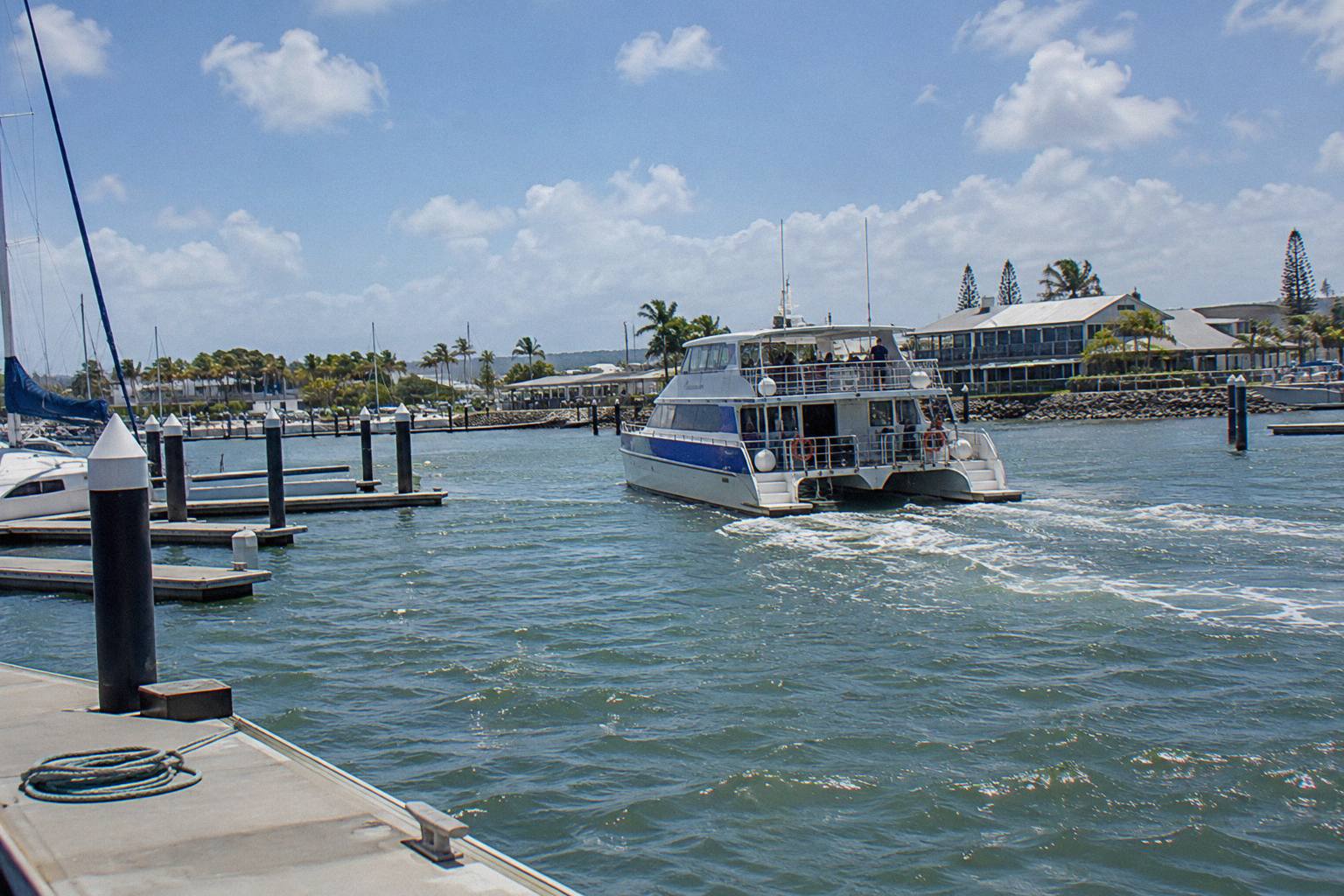
One boundary to set early: whale watching in Hervey Bay happens on the daytime cruises, four hours each. The evening trips out of Urangan are a different product. Whale season overlaps the evening cruises from June to November, but the evening cruises are not whale watches and nothing is promised. If whales are the reason you are booking, book a daytime whale-watch cruise and use the calendar to choose your slot.
Morning Or Afternoon: How The Departures Actually Work
Every whale-watch cruise out of Urangan offers both halves of the day: the Tasman Venture 4-Hour Whale Watch runs twice daily with hotel pickup at select Hervey Bay accommodation, and the other operators list morning or afternoon options. Start times are chosen on the booking calendar rather than printed as fixed schedule, so the departures for your exact date are visible the moment you check availability.
The practical shape of the day is similar across the operators. A four-hour cruise occupies a solid block: check-in, boarding, the run out to the grounds off the western coast of K'gari where the activity concentrates, time among the whales, and the return to the marina. What changes between morning and afternoon is mostly your own logistics, when you eat, how you sleep in, and what the light and the wind are doing.
Onboard catering follows the slot rather than breaking the tie. The Tasman Venture includes morning or afternoon tea with an antipasti platter. The Whalesong Half-Day Whale Watch With Meal includes morning or afternoon tea plus lunch or dinner depending on the option chosen, which makes it the only cruise of the group where the departure slot changes an actual meal. The Boat Club Half-Day Whale Watching Cruise serves morning or afternoon tea and biscuits. If a full meal at sea appeals, that is a reason to lean one way on the calendar, not a reason to expect more whales.
If you are pairing a whale watch with an evening on the water, the timing works neatly: a daytime cruise returns with the late afternoon still ahead of it, and an evening departure boards after it. Our guide to boat cruises out of Urangan by time of day lays out the full sequence, and the piece on whale season and your evening boat trip covers how the June to November window interacts with the twilight sailings.
The Tasman Venture 4-Hour Whale Watch sits at from A$155 per person, in Australian dollars, carries a 4.9 rating from 699 reviews, and includes pickup and drop-off at select Hervey Bay accommodation, a genuine advantage if you are staying without a car. Free cancellation up to 24 hours before the start applies for a full refund, so choosing a slot now costs you nothing if your plans shift.
The Month Matters More Than The Hour
Humpbacks are in Hervey Bay from June to November, peaking July to October, according to Tourism and Events Queensland, and more than 8,000 whales use these waters each year. Within that window the mix changes: early in the season more adults rest and socialise, while in September and October more mothers and calves appear. That shift does more for your trip than any morning-versus-afternoon call ever will.
The bay's role in the migration is what makes the season long. Whales pause here to rest and socialise rather than simply passing through, which is why the cruise grounds off the western coast of K'gari stay productive for months. The area is one of the world's first designated Whale Heritage Areas, a status built on that resting behaviour. You can read the state's own summary on the Tourism and Events Queensland whale watching page.
| Months | What the season holds | Notes for planning |
|---|---|---|
| June | Humpbacks arrive, more adults resting and socialising | Early season, quieter on the water |
| July to August | Peak season begins, adults active | The busiest booking window |
| September to October | Peak continues, more mothers and calves | Warmest water of the season, calmest winds |
| November | Season tapers off | Last departures of the year, thinning crowds |
| December to May | No whale season | Evening cruises and day trips run without whale watching |
Weather is worth folding into the same decision, because it changes through the season more than most visitors expect. Bureau of Meteorology averages for Hervey Bay Airport show the mean 3pm wind strongest in the warmer months, about 22.1 km/h in January, and lightest in winter, about 15.6 km/h in June and 16.2 km/h in July. September and October combine the mother-and-calf months with low rainfall: September is the driest month of the year at 33.4 mm of mean rainfall, and October averages 84.9 mm, against 151.8 mm in March. The Bureau of Meteorology climate averages table holds the full set of figures.
None of this makes a month a guarantee. Marketing claims about sightings are not facts, and the state's own wording sticks to presence and patterns. What the numbers do support is that a September departure and a June departure are genuinely different experiences, in a way that a 9am departure and a 1pm departure on the same day are not.
The Daytime Whale-Watch Cruises Compared
Three daytime cruises run the whale grounds from Urangan, each four hours: the Tasman Venture 4-Hour Whale Watch from A$155 per person, the Whalesong Half-Day Whale Watch With Meal from A$160 per person, and the Boat Club Half-Day Whale Watching Cruise from A$120 per person, all amounts in Australian dollars. They differ in boarding point, catering and pickup, not in whales, since all three work the same grounds.
The comparison below holds only what is known about each trip. Prices are the booking page from-prices per person and change by date and group, so treat them as the floor, not a quote. Each rating is shown with its review count, because a score means little without one.
| Cruise | Duration | From price | Rating | Boarding point | Included food |
|---|---|---|---|---|---|
| Tasman Venture 4-Hour Whale Watch | 4 hours | A$155 per person | 4.9 from 699 reviews | Select Hervey Bay accommodation pickup | Morning or afternoon tea, antipasti platter |
| Whalesong Half-Day Whale Watch With Meal | 4 hours | A$160 per person | 4.8 from 232 reviews | Great Sandy Straits Marina, Urangan | Morning or afternoon tea plus lunch or dinner by option |
| Boat Club Half-Day Whale Watching Cruise | 4 hours | A$120 per person | 4.8 from 412 reviews | Hervey Bay Boat Club, Urangan | Morning or afternoon tea and biscuits |
The vessels differ in character. Tasman Venture is a catamaran, as is the Whalesong whale-watch vessel, while the Boat Club cruise sails on the Amaroo, a large stable powered vessel with three viewing decks, a covered top deck with 360 degree views, toilets and a bar on board. Whalesong is listed by Tourism and Events Queensland as having a wheelchair-accessible vessel, the only accessibility fact on record among the three. Boat Club includes parking and boards 15 minutes before departure.
The Tasman Venture's twice-daily schedule is the one structural fact that touches the time-of-day question directly. Two departures a day means the operator splits the daylight evenly, and the booking calendar shows both. If a hotel without a car is your situation, its pickup at select accommodation removes the marina run entirely, and our piece on getting to Urangan marina, parking and check-in covers the logistics for the trips where you make your own way.
How Close The Boats Get: Queensland Approach Rules
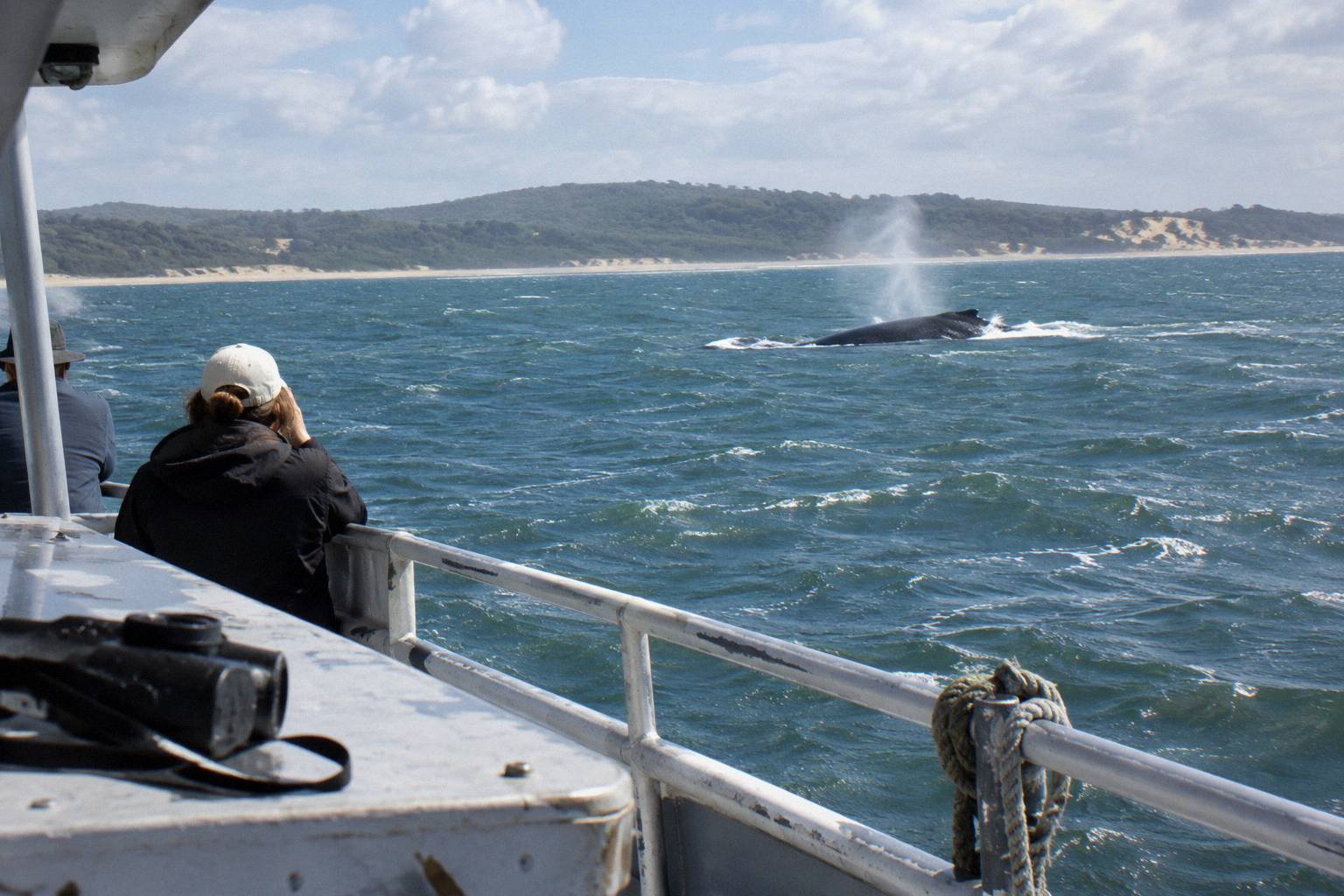
Queensland law, not the crew's enthusiasm, sets every whale encounter: a caution zone at 300 m from a whale where boats travel no faster than 6 knots, and a no-approach zone of 100 m around a whale and 300 m ahead and behind. There is a three-boat limit, no person in the water within 100 m of a whale, and no drones within 100 m. Penalties apply.
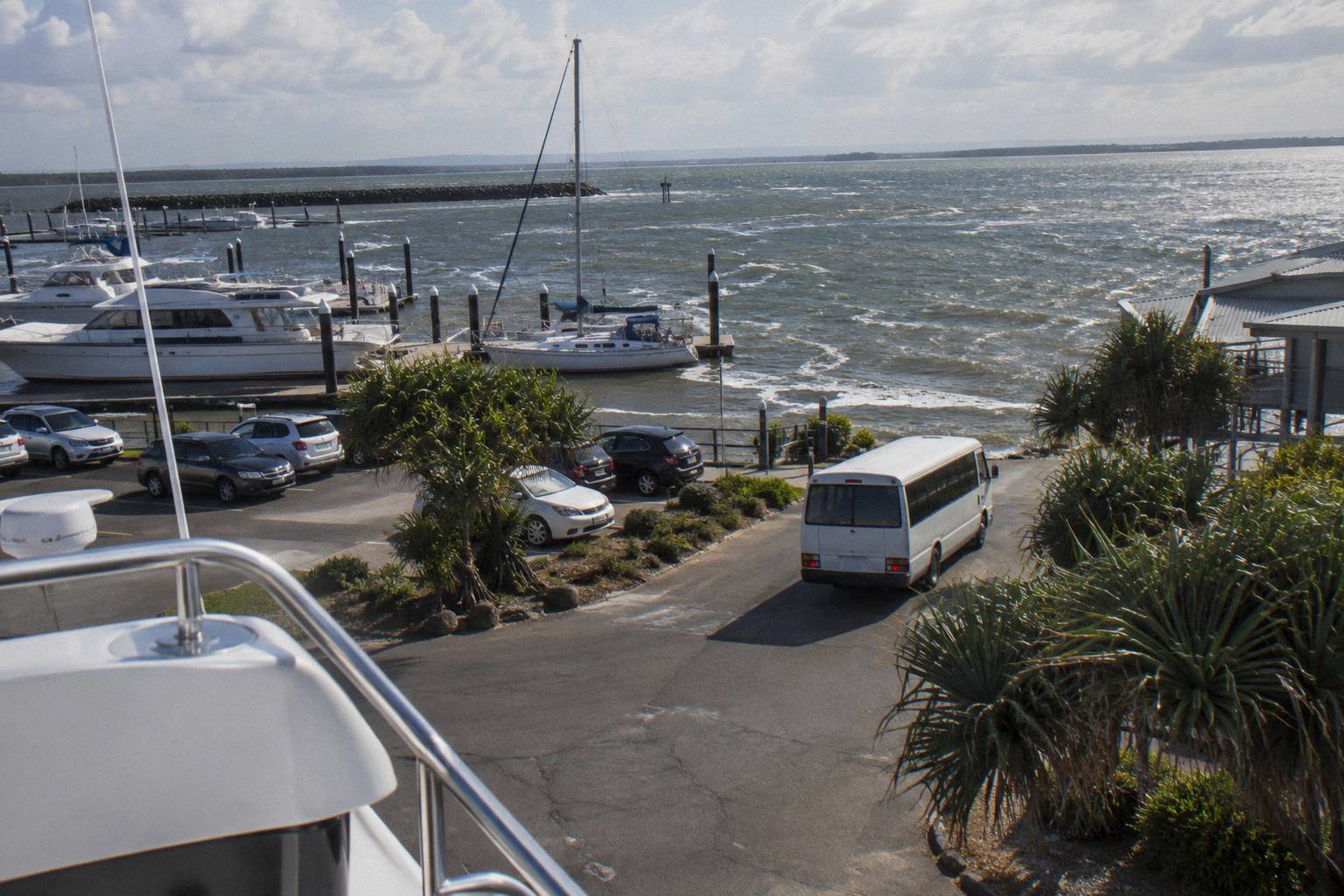
These rules come from the Queensland Government's code for watching marine mammals, and they shape the experience more than first-time visitors expect. Time of day decides nothing about how near a whale comes; the rules decide everything. A whale that chooses to approach a stationary vessel is a different matter from a boat closing the distance, and the crews on whale-watch cruises work inside these limits all day, every departure, morning and afternoon alike.
| Rule | Whale | Dolphin |
|---|---|---|
| Caution zone | 300 m, no faster than 6 knots | 150 m, no faster than 6 knots |
| No-approach zone | 100 m around, 300 m ahead and behind | 50 m around, 150 m ahead and behind |
| Vessels within the no-approach zone | Three-boat limit applies | Three-boat limit applies |
| People in the water | Not within 100 m | Not within 50 m |
| Drones | Not within 100 m | Not within 100 m |
The full text is on the Queensland Government rules for watching marine mammals page. For a visitor, two practical points follow. First, leave the drone ashore; it cannot legally fly near the whales regardless of how good the light looks at any hour. Second, understand that the cruise operators hold marine park permissions the general public does not, which is part of what the fare buys.
Weather, Wind And The Time You Actually Feel
Bureau of Meteorology averages for Hervey Bay Airport show the mean 3pm wind ranging from about 15.6 km/h in June to about 22.1 km/h in January, and mean daily maximums from 21.8 degrees in July to 30.3 in January. These figures describe the conditions around any departure slot, and they move with the season rather than the hour, which is one more reason the month outweighs the clock.
Winter departures, June to August, pair the lightest winds of the year with the coolest mornings, a mean minimum of 10.1 degrees in July. Spring slots, September to October, sit in the middle on wind and at the low end on rain. Summer departures bring the warmest evenings but also the strongest mean winds and, in January and February, heavy mean rainfall, 121.6 mm and 136.5 mm respectively, with March the wettest month at 151.8 mm. None of these numbers predicts a given day, so ask the operator how weather calls are made when you book.
Weather also changes routes, not just comfort. The Boat Club states that its route and destination are subject to change without notice because of tides and weather, and the whale grounds off the western coast of K'gari sit in open water where conditions matter. A morning that looks rough at the marina may ease by early afternoon, and the reverse happens too, which is the reason no fixed rule about morning versus afternoon survives contact with an actual bay. Free cancellation up to 24 hours before the start applies to all the cruises for a full refund, but inside that window the operator's judgement governs.
For perspective on the whole day, approximate sunset over Urangan runs from about 5:06pm in June to about 6:43pm in January, a computed solar figure rather than an official time. A four-hour afternoon cruise in midwinter finishes close to that mark; in summer it returns with daylight to spare. If you want the water twice in one day, that arithmetic is what makes a whale watch and an evening cruise a realistic pairing, and what time sunset falls in Hervey Bay works through the boarding arithmetic month by month.
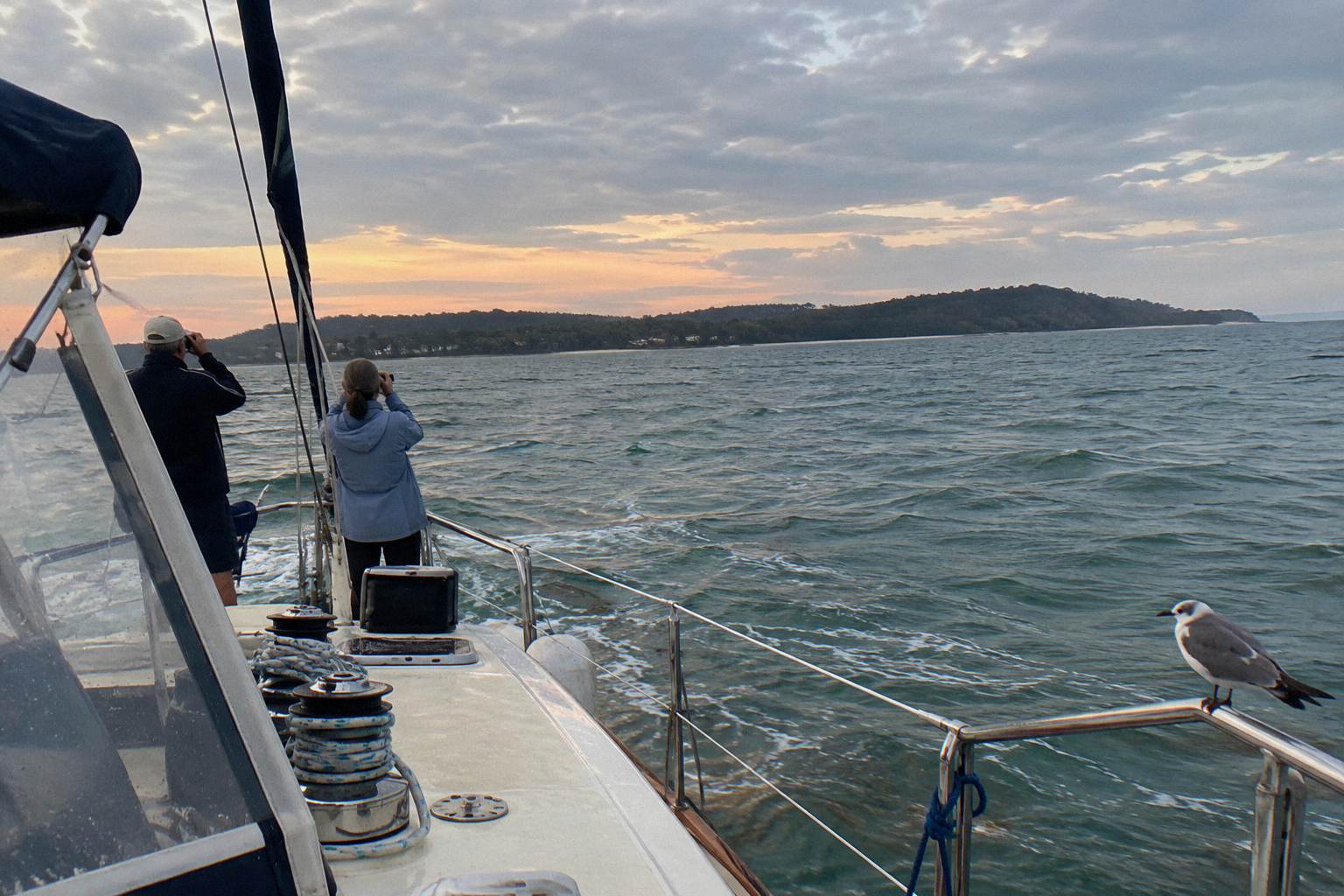
Pairing A Whale Watch With An Evening Cruise
Yes, a whale watch and an evening cruise pair easily in one day: the four-hour daytime whale trips return well before the evening cruises board, so you can do both. Top options include the Blue Dolphin Champagne Sunset Sail, from A$100 per person with a 4.9 rating from 168 reviews, and the Milbi Sunset Cruise With Champagne And Prawns, from A$95 per person with a 4.8 rating from 48 reviews.
The pairing works because the products are genuinely different. A whale watch is a purpose-built four hours over the grounds with commentary and rules built around the animals. An evening cruise is shorter, closer to shore and built around the light, the shoreline and the food. Doing both in a day means you never ask one trip to do the other's job.
The Blue Dolphin sail boards at Great Sandy Straits Marina, 17 Buccaneer Drive, Urangan, and the courtesy bus is part of the booking, with no pickup point given, so ask the operator. Its low passenger count, at most 24, is the defining feature: the sailing vessel is small by design. The Milbi boards at Fisherman's Wharf Marina on Jetty Rd, has no hotel pickup, and its itinerary names a stop at Weenandin, Round Island, with Urangan Pier as the backdrop and Butchulla place names carried on board. Whales belong to the daytime trips, so book the evening sail for the evening itself.
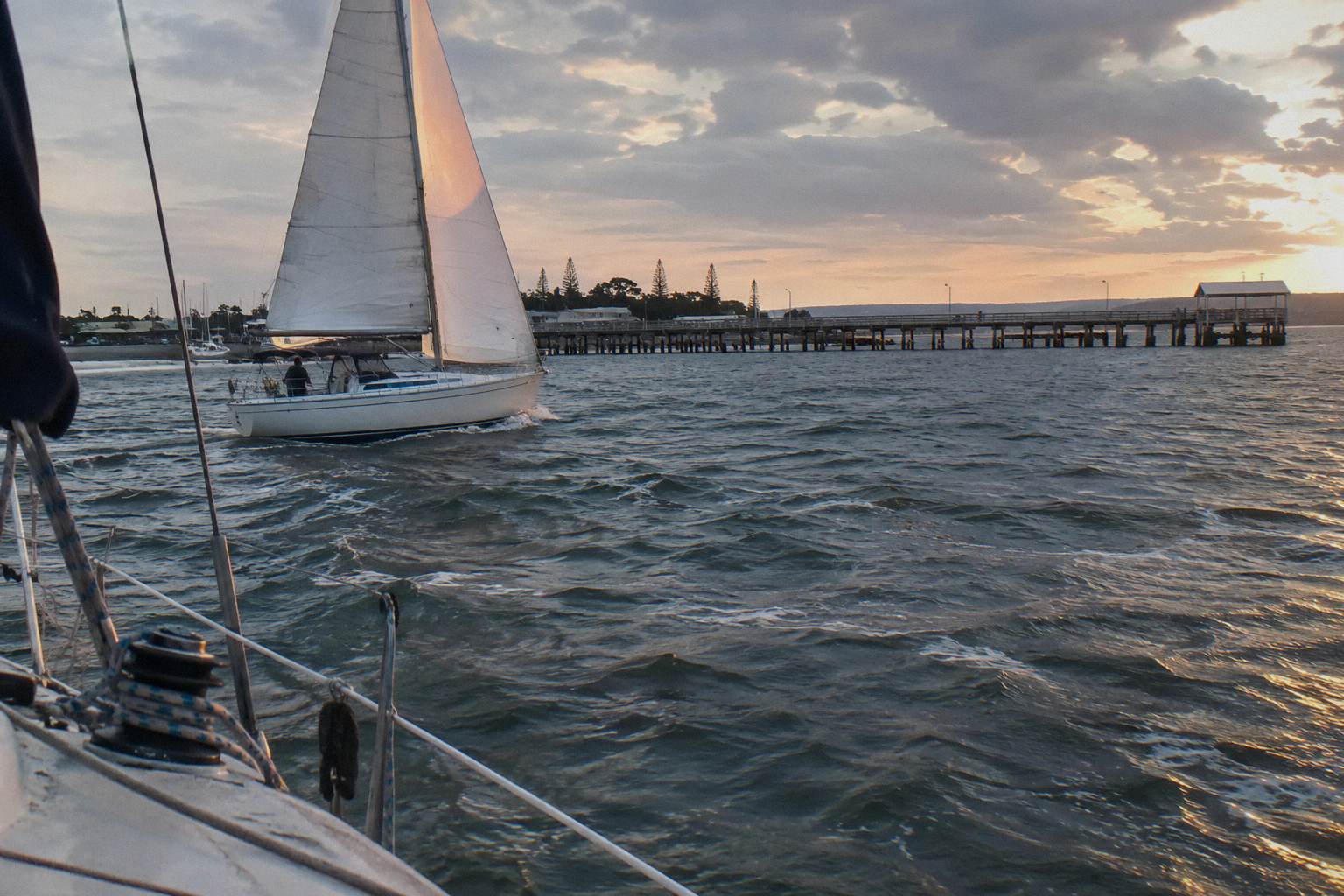
One planning note worth carrying: Whale Heritage Area recognition belongs to these waters as a whole, and the resting behaviour it recognises is why the pairing exists at all. Hervey Bay Sunset Cruises covers both halves of the day across the site, with the whale-watch pages and the evening-cruise pages kept deliberately separate because the trips are separate products.
Mistakes To Avoid When Picking Your Departure
The commonest mistake is treating departure time as the variable that decides whales, when the documented variables are month, cruise choice and the weather on the day. Other recurring errors: booking a late-season date expecting peak numbers, trusting any sighting promise, and forgetting that start times live on the booking calendar rather than in a fixed timetable.
The first mistake deserves restating because the internet is full of it. Claims that whales are more active in the morning, or calmer in the afternoon, circulate widely, and they are myths to plan around rather than facts. The operators themselves run both slots without distinction, and their tea service simply follows the departure. Book the slot that suits your sleep, your meal plans and your transport, and put your energy into the month.
The second mistake is believing a guarantee. No legitimate operator promises a sighting, and any wording to that effect in advertising is a marketing claim, not a fact. What is documented is presence: whales here June to November, peaking July to October, with the mother-and-calf months concentrated in September and October. That is a great hand to be dealt, and it needs no embellishment.
The third mistake is logistical. Start times are chosen on the booking calendar, so a cruise you saw departing at a particular hour last year may sit differently this year, and check-in rules differ by operator: Boat Club boards 15 minutes before departure. The fourth is underestimating the day's length. Two cruises in one day is feasible, and many visitors do it, but four hours of whale watching followed by an evening on the water is a full programme, so plan food around it rather than hoping the antipasti platter carries you to midnight.
The fifth mistake is silence about weather. Ask the operator how weather calls are made before you commit to a tight itinerary, since routes and destinations can change with tides and conditions, and no refund for bad weather should be assumed. Free cancellation up to 24 hours before the start is the safety net that does exist, on all the cruises, for a full refund.
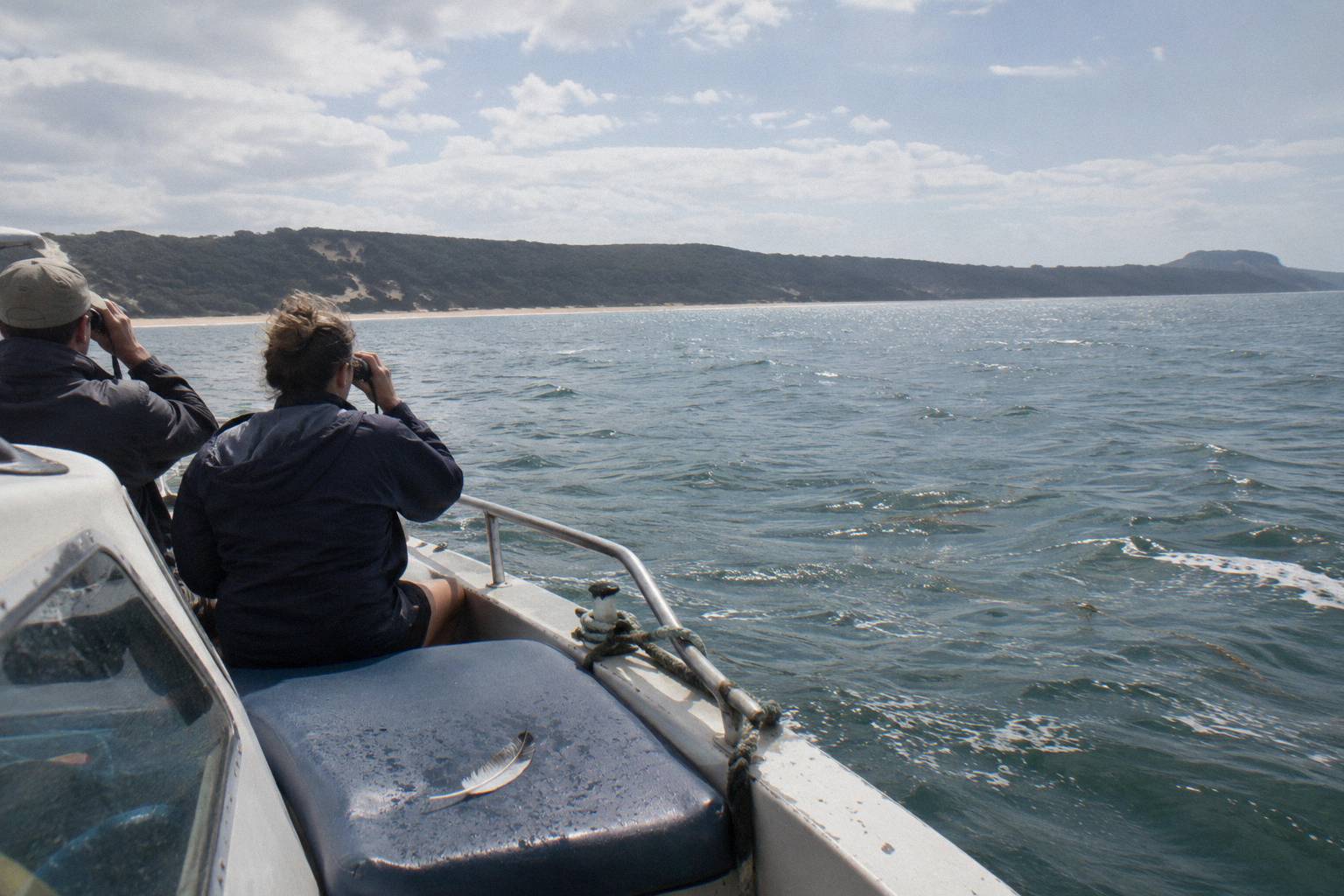
Which Whale Watch Should You Book?
Book Tasman Venture at A$155 per person if you want hotel pickup, Whalesong at A$160 per person if a full meal on board matters most, or the Boat Club cruise at A$120 per person if budget and easy parking lead your decision. All three run four hours over the same grounds, hold ratings between 4.8 and 4.9 with review counts listed above, and allow free cancellation up to 24 hours before departure.
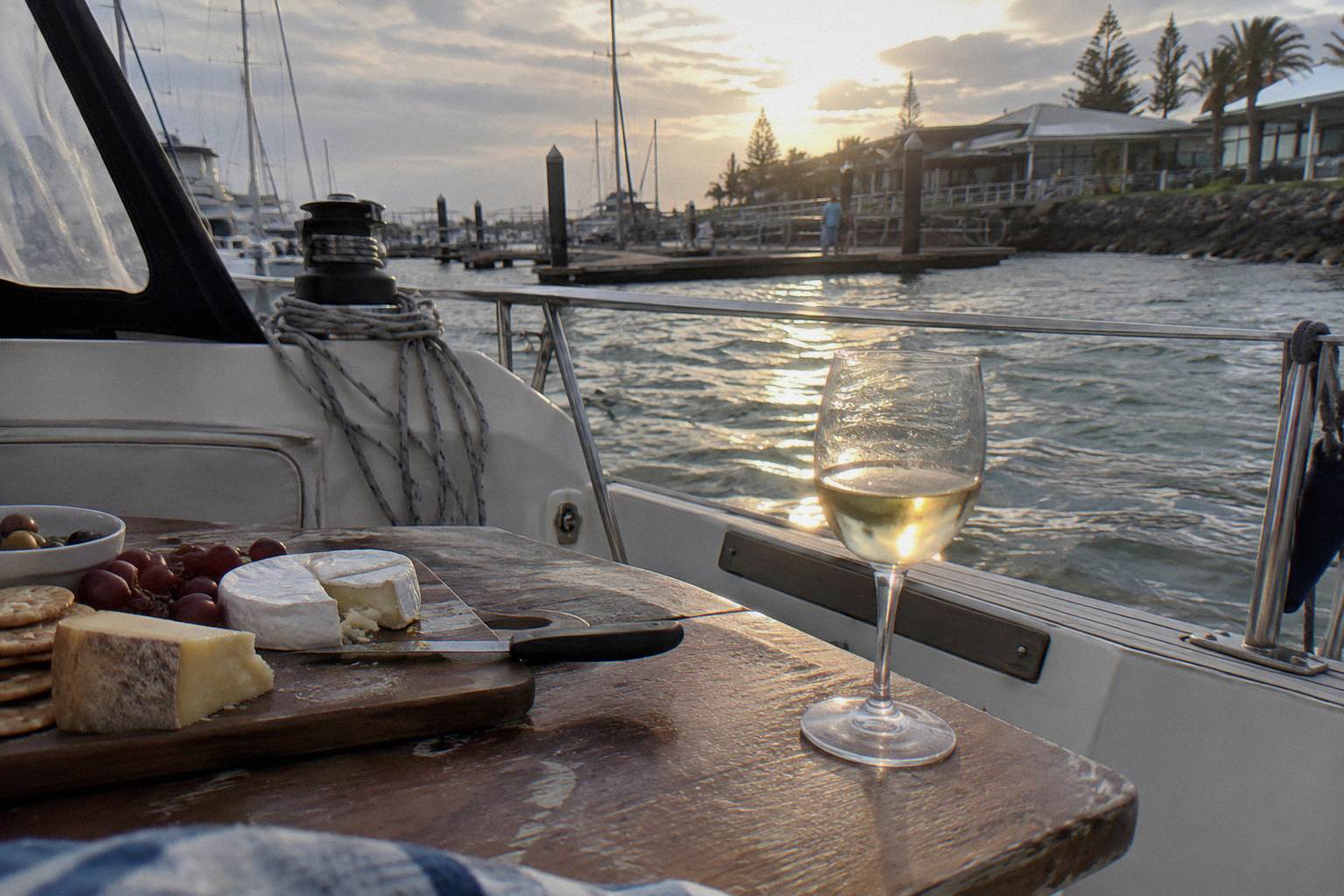
Then let the month do the heavy lifting. July to October is the documented peak, September and October add the mothers and calves, and the booking calendar for any of the cruises will show you exactly which slots remain once you have a date. The evening cruises stand ready as a second act, the Blue Dolphin sail with its 24-guest sailing vessel and a glass of sparkling wine, the Milbi with king prawns, a grazing platter and its stop at Weenandin, and the Boat Club Twilight Bay Cruise from A$55 per person with a complimentary glass of bubbles on boarding.
Whichever combination you land on, the pattern holds: month first, cruise second, departure slot last. The whales keep their own schedule either way, and the season runs June to November to prove it.
Common Questions About Whale Watching Departure Times
What Is The Best Time Of Day To See Whales On A Whale Watching Tour?
No verified best time of day exists. The operators offer morning and afternoon options, the Tasman Venture cruise runs twice daily, and the booking calendar shows the departures for your date. The month you choose, within the June to November season, matters far more than the hour.
When Is Whale Season In Hervey Bay?
Humpbacks are here June to November, peaking July to October, according to Tourism and Events Queensland. More than 8,000 whales use these waters each year, with more mothers and calves appearing in September and October.
Can You See Whales On A Sunset Cruise?
The sunset cruises are not whale watches and nothing is promised. Whale season overlaps the evening cruises from June to November, but whale watching is done on the daytime four-hour cruises.
How Long Are The Whale Watching Cruises?
Each daytime whale-watch cruise runs four hours. The evening cruises are shorter, about two hours for the Boat Club Twilight Bay Cruise and 1.5 hours for the Blue Dolphin sail and the Milbi.
How Close Can The Boats Get To A Whale?
Queensland rules set a caution zone at 300 m where boats travel no faster than 6 knots and a no-approach zone of 100 m around a whale and 300 m ahead and behind, with a three-boat limit and penalties applying.
Do The Whale Watch Cruises Include Food?
Tasman Venture includes morning or afternoon tea with an antipasti platter, Whalesong includes morning or afternoon tea plus lunch or dinner depending on the option chosen, and the Boat Club cruise includes morning or afternoon tea and biscuits.